




If you only change one thing about how you make coffee, make it this.
The ratio of coffee to water decides more about your cup than the brand of beans, the brewer, or the water. Get it right and most other problems shrink. Get it wrong and nothing else you do will fully rescue the cup.
The one number to remember
1:16. That's 1 g of coffee for every 16 g of water.
For a standard 250 ml mug, that's about 15 g of coffee. For a large 350 ml mug, about 22 g.
If you like your coffee stronger, move toward 1:14. If you like it lighter, 1:18. Anywhere in that range is normal. Outside it, you're either making something thin or something like syrup.
Do I really need scales?
They help a lot, and a basic set costs less than 2 bags of coffee. But you can get close without them.
A level tablespoon of ground coffee is roughly 5 to 6 g, depending on grind and roast. So 3 level tablespoons or 2 heaped ones per 250 ml mug will put you near 1:16. It won't be exact, and that's fine. Consistency matters more than precision. Use the same spoon, the same way, every time, and adjust from there.
Measure water by volume if you don't have scales. 1 ml of water weighs 1 g, so 250 ml is 250 g.
Recipes by brew method
Plunger (French press) 30 g coffee, 500 g water. Coarse grind. Pour water just off the boil, stir once, wait 4 minutes, press slowly, pour immediately. Serves 2.
Pour over (V60, Kalita, similar) 15 g coffee, 250 g water. Medium fine grind. Pour 50 g to wet the grounds, wait 30 seconds, then pour the rest in slow circles. Aim to finish at 2.5 to 3.5 minutes. Serves 1.
Stovetop (Moka pot) Fill the basket level with medium fine coffee, don't tamp it. Fill the base with hot water to just below the valve. The ratio is fixed by the pot, so your only variables are grind and heat. Medium heat, off the stove when it starts to sputter.
Espresso 18 g coffee in, 36 g out, in 25 to 32 seconds. That's a 1:2 ratio, which is standard for a double shot. If you're using a home machine that came with a pressurised basket, start here and adjust by taste.
Aeropress 15 g coffee, 220 g water. Medium grind. Stir, wait 1.5 minutes, press. This one is forgiving. Play with it.
Cold brew 100 g coarse coffee, 1 litre of cold water. Steep in the fridge 14 to 18 hours, strain. This makes a concentrate. Dilute 1:1 with water or milk.
Using ratio to fix a bad cup
Coffee tastes weak or watery: use more coffee. Move from 1:16 toward 1:14.
Coffee tastes heavy, muddy or bitter: use a little less coffee, or check your grind isn't too fine. Bitterness is usually grind, not dose.
Coffee tastes sharp and thin: dose might be slightly low, but check water temperature and grind first.
A note on beans
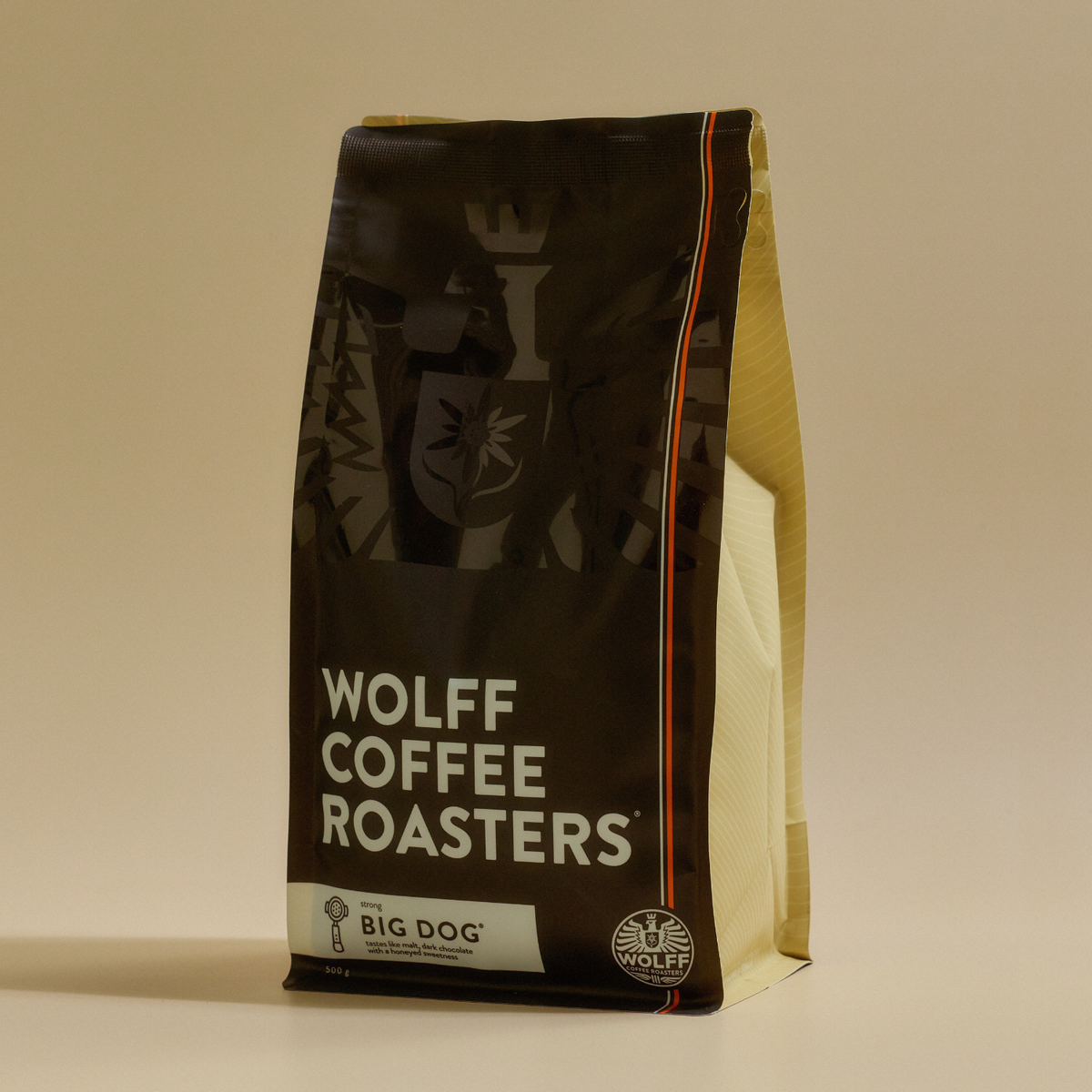
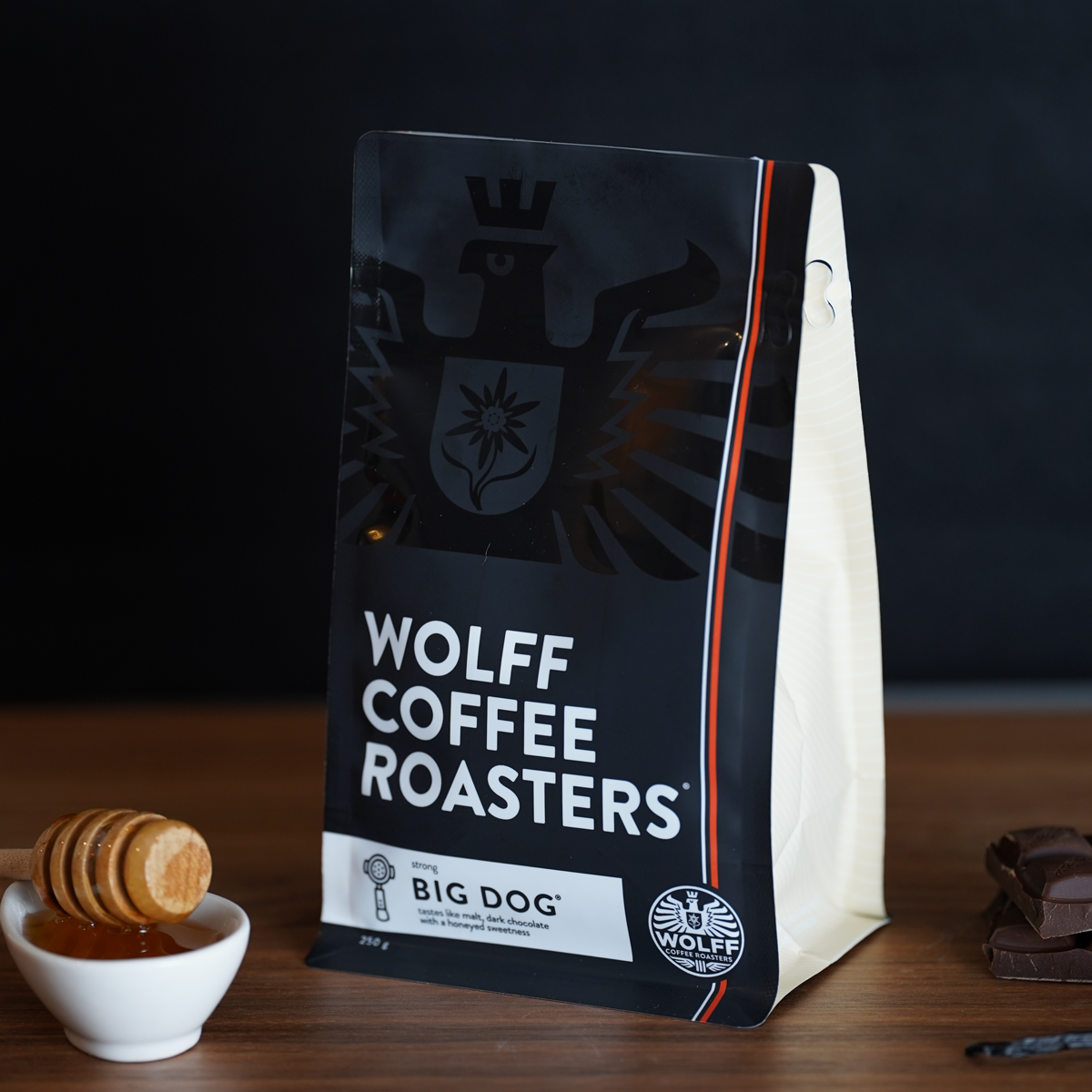
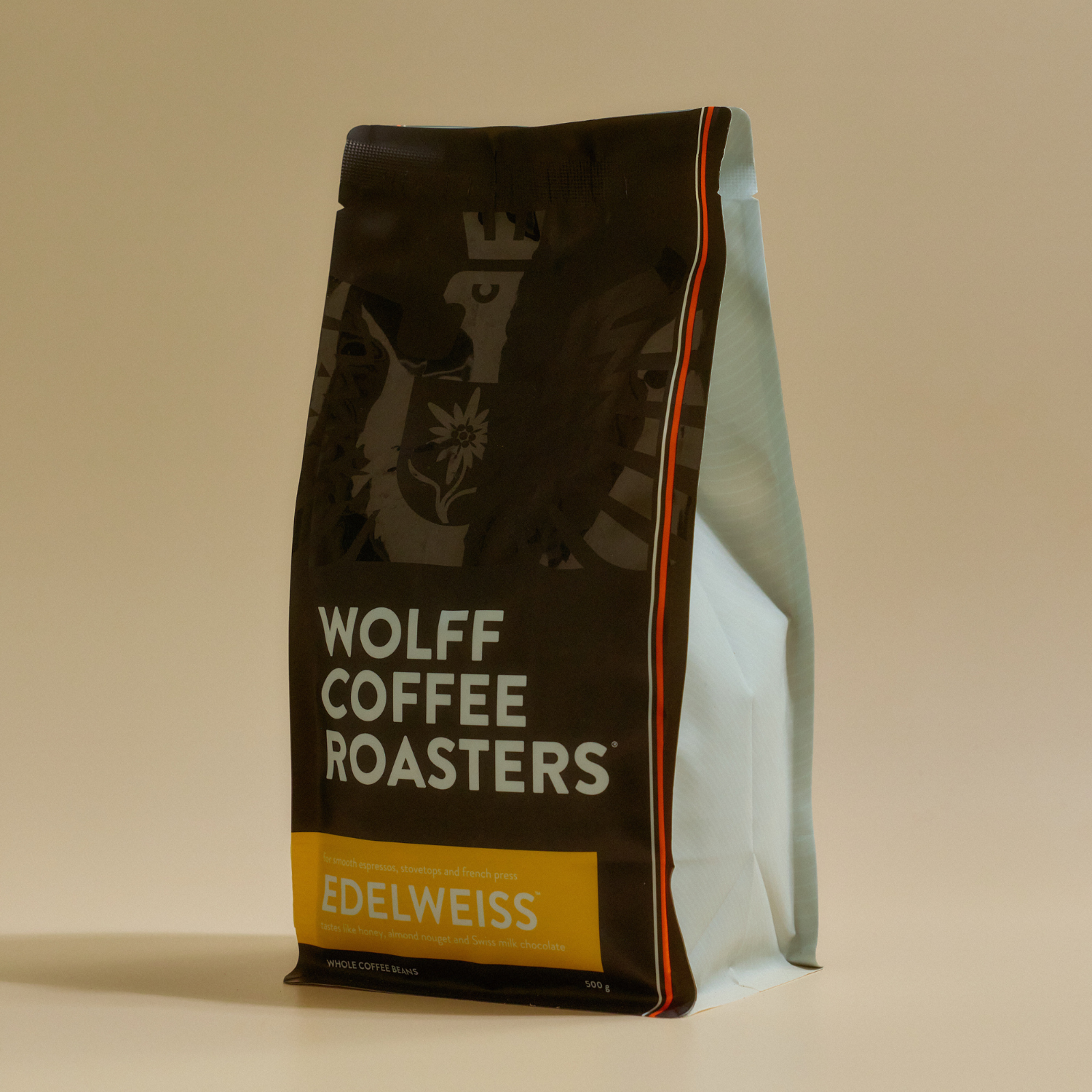
Ratio works the same with any coffee. But fresh coffee gives you more to work with, so the same 15 g does more. If you're using Big Dog or DRK, 1:16 will give you a full, rounded cup. If you're brewing something lighter like Edelweiss on pour over, you might find 1:17 lets the clarity come through.
That's the whole guide. One number, a few recipes, and the confidence to adjust.
Which brew method are you using most mornings?
Leave a comment
This site is protected by hCaptcha and the hCaptcha Privacy Policy and Terms of Service apply.