



The coffee to water ratio decides more about your cup than the beans, the brewer or the water. One number covers it: 1:16, or about 15 g of coffee to a 250 ml mug. Here's how to use it with or with...
Sour coffee confuses people, because most of us never expected coffee to taste sour at all. There's a difference between pleasant brightness and unripe sharpness, and that difference is under extra...

Bitter coffee is the most common complaint we hear, and it's almost always fixable at home. Harsh, drying bitterness comes from over extraction, and over extraction has 4 usual causes: grind too fi...
Your POS isn't short on data. It's short on someone asking it the right question. Here are six reports worth pulling this month, and the exact prompt to run against each one once you've exported it.
Most cafe menus aren't built on data. They're built on what the owner likes making, what looked good on someone else's board, or what's always been there. That gap between what feels right and what...
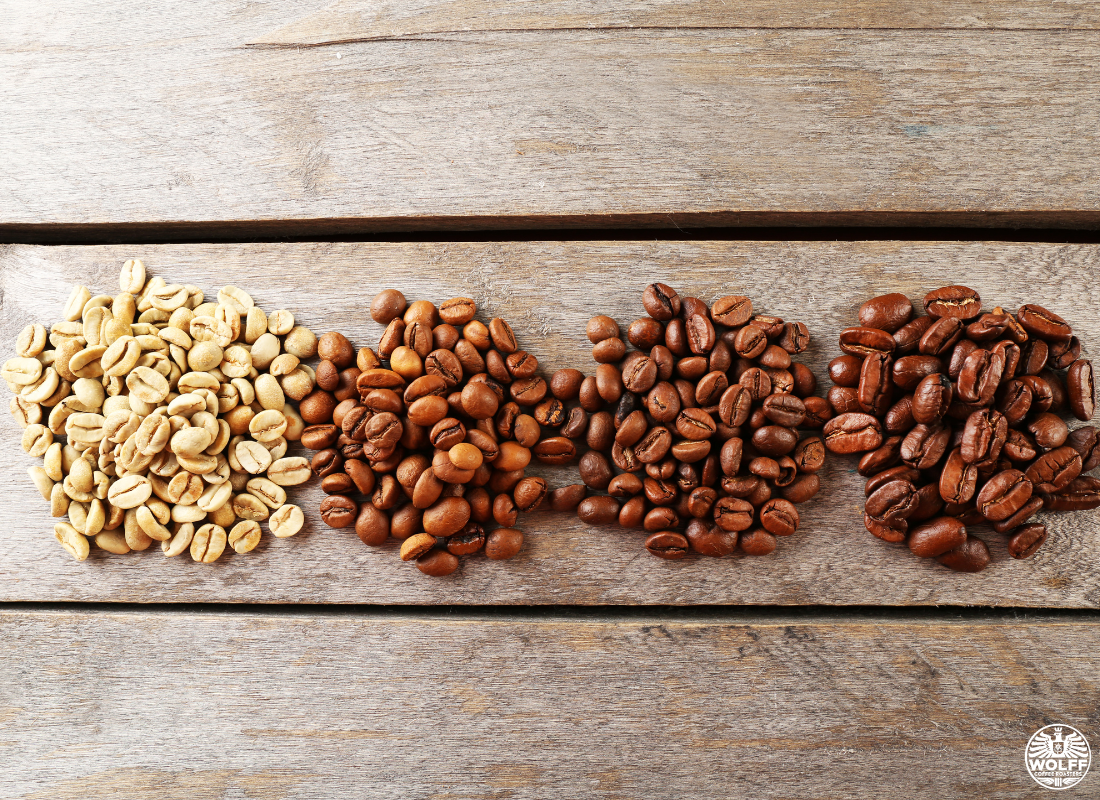
Light roast never meant weak. It never meant sour either, whatever your first bad pour over taught you. Somewhere along the way, roast colour became a stand in for strength, and that mix up has cos...
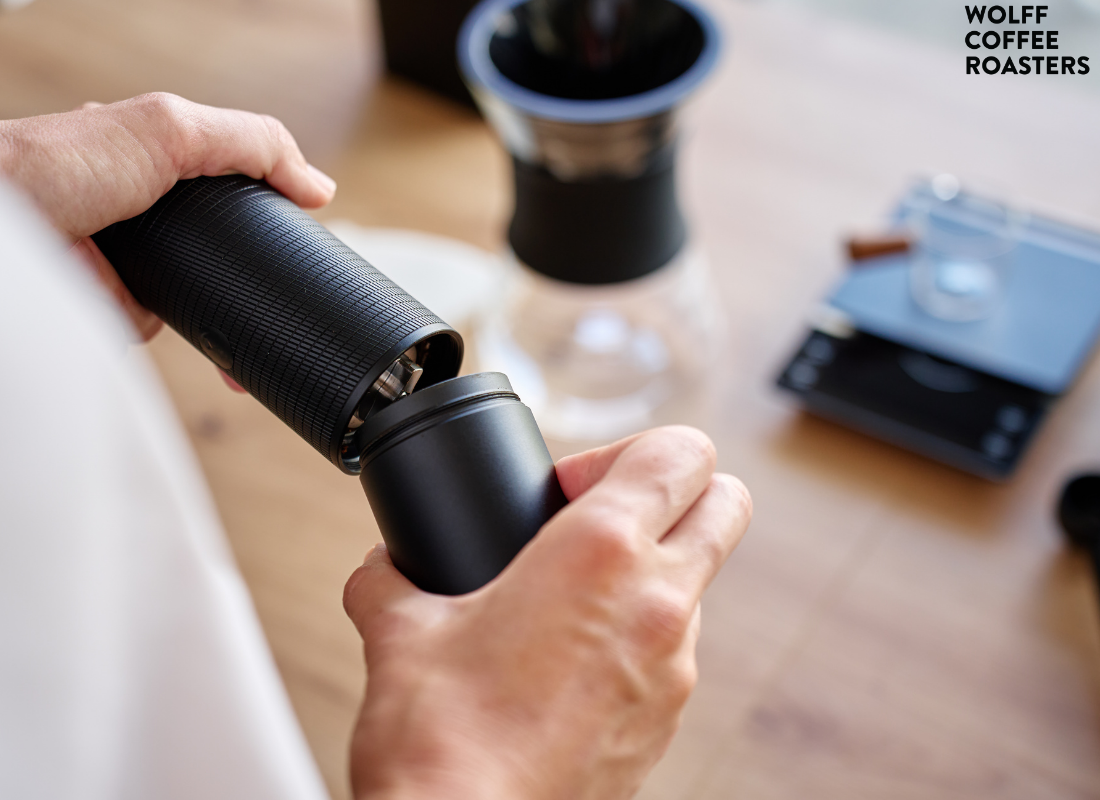
Buy a two thousand dollar machine and grind stale beans in a blade grinder, and you'll still get a flat, dull cup. Buy a forty dollar hand grinder, fresh beans, and grind them right before you brew...

From 1 October 2026, you can no longer add a card surcharge to a customer's bill. That doesn't mean the cost of taking a card disappears. It means you decide where it lives instead. Interchange fee...
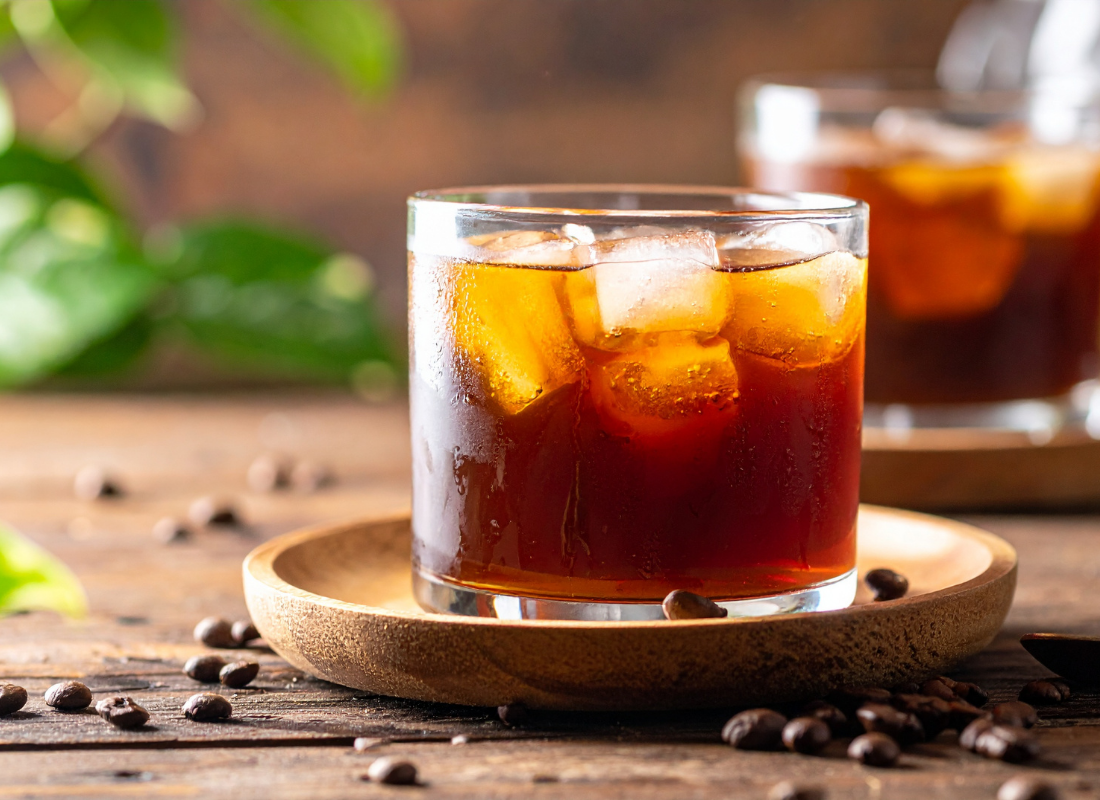
Cold coffee isn't a summer trend anymore. It's the default, and the afternoon is where it's winning. This year's shift is toward precision over convenience: flash brew is having a real moment, orig...