


Freshly roasted is the most abused phrase in coffee. It is printed on bags that have sat in a warehouse for six months. It is splashed across supermarket shelves above beans that were roasted in another country and shipped here by sea. It has been used so loosely, by so many people, that it has almost stopped meaning anything at all.
So let us put it back together properly. Because once you understand what freshly roasted really means, you cannot unsee it, and your coffee gets better the very next morning.
Roasting starts a clock
When green coffee hits the roaster, it changes completely. Sugars caramelise, acids develop, oils move to the surface and the bean fills with carbon dioxide. That gas is the key to everything that follows.
From the moment the roast finishes, the beans begin releasing that carbon dioxide in a process called degassing. This is normal and necessary. It is also the reason coffee has a window rather than a switch. Too fresh and the gas fights your brew, pushing water away from the grounds and leaving you with a thin, uneven cup. Too old and the gas is long gone, the oils have gone stale and the flavour falls flat.
The freshness window
For most espresso, beans hit their stride somewhere around 5 to 14 days after the roast date, and hold beautifully through to about three or four weeks. Filter and plunger brewing can open up a little sooner. None of this is rigid, because roast level and bean origin shift the timing, but the principle never changes. Great coffee lives inside a window, and that window is measured from the roast date.
Why a best before date is a trick
Here is where the supermarket sleight of hand happens. Flip a mass market bag over and you will usually find a best before date, often a year or more away. That tells you when the bag stops being legally sellable. It tells you nothing about when the coffee was actually roasted, which is the only number that matters.
A roaster who is proud of their freshness prints the roast date. A brand that is hiding age prints a best before date and hopes you do not ask the difference.
How to tell genuinely fresh coffee apart
Look for the roast date first, every time. Then trust your senses. Genuinely fresh beans bloom when you brew them, swelling and bubbling as the trapped gas escapes. Stale beans sit there and do nothing. Fresh coffee smells sweet and alive when you open the bag. Old coffee smells flat, or worse, faintly of cardboard.
The Wolff approach
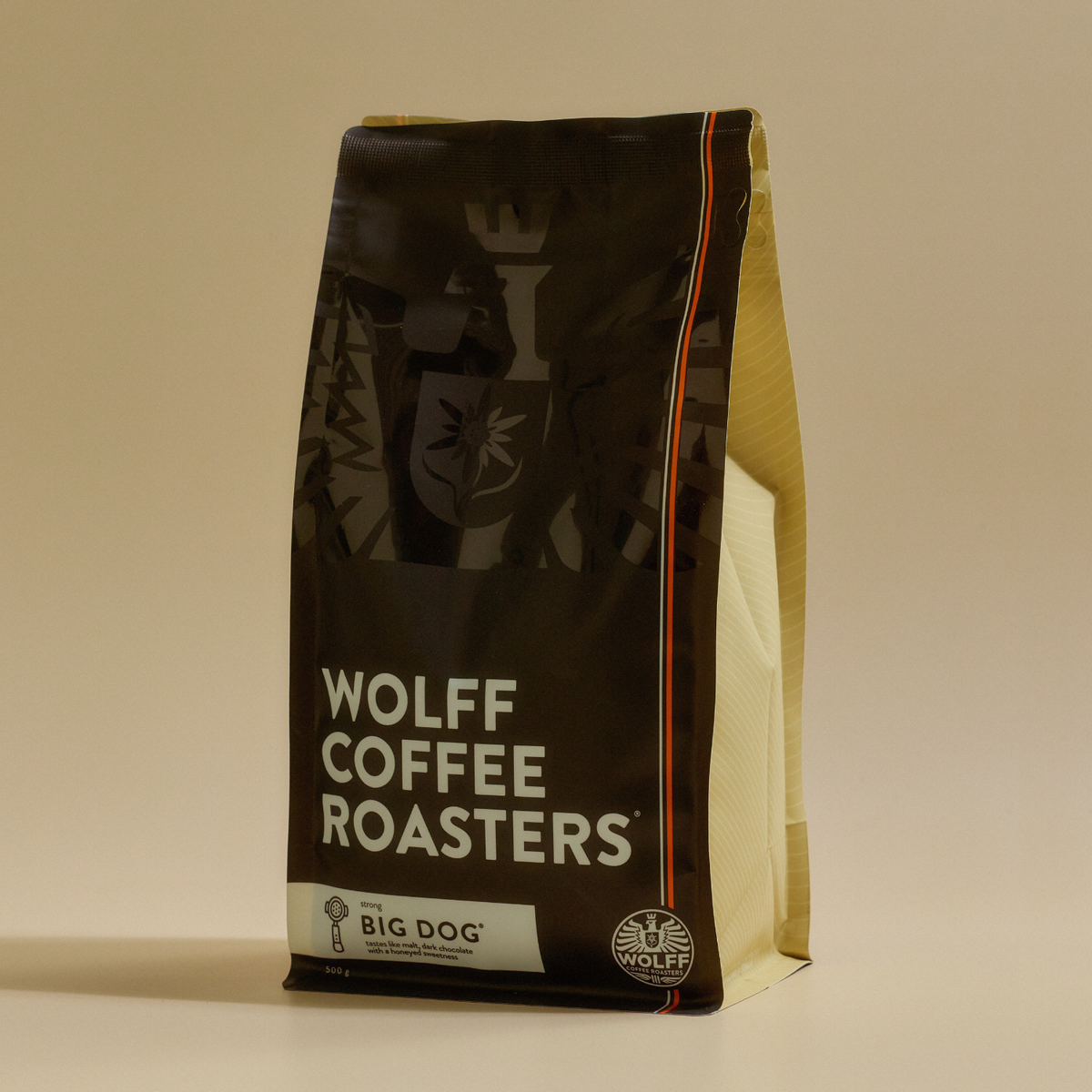
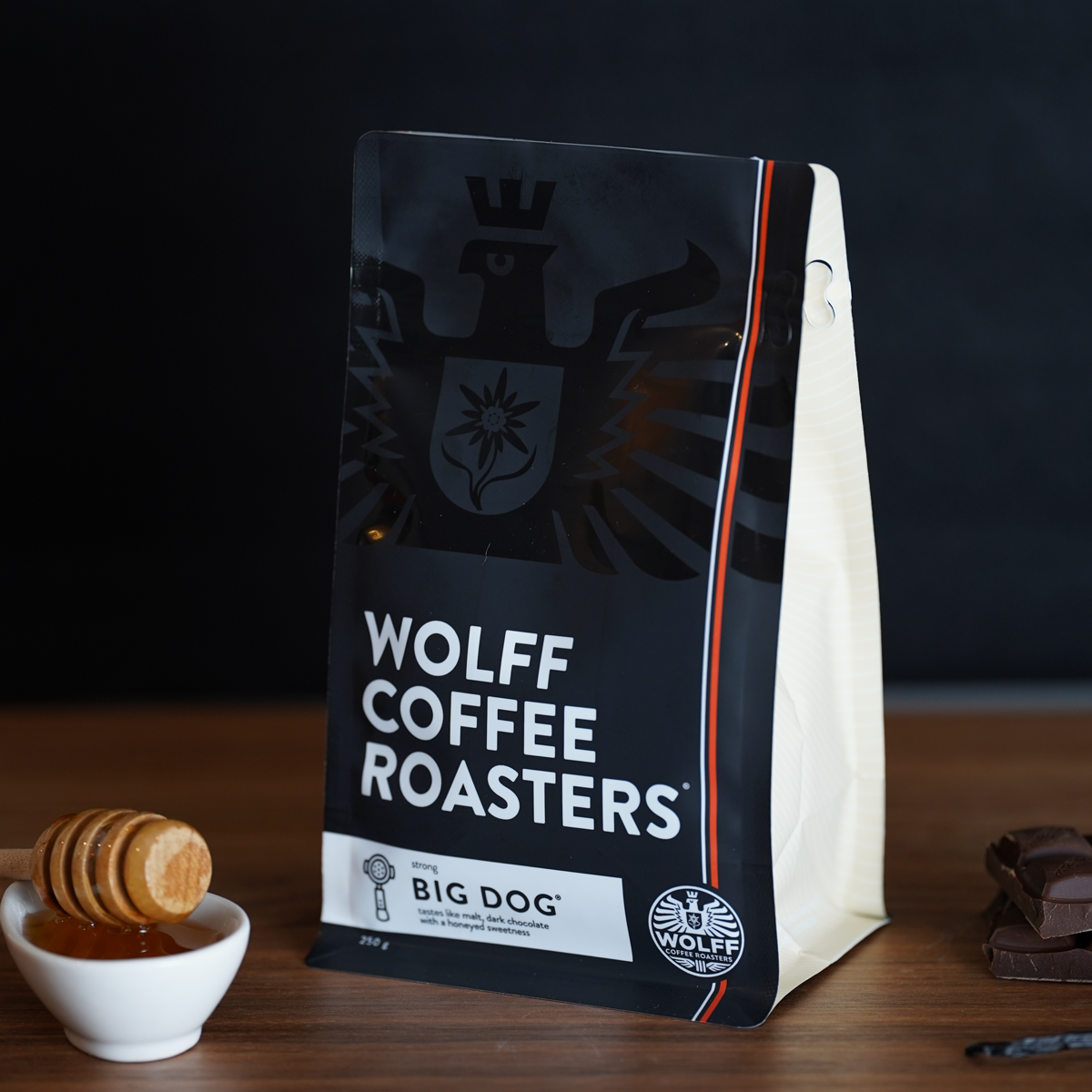
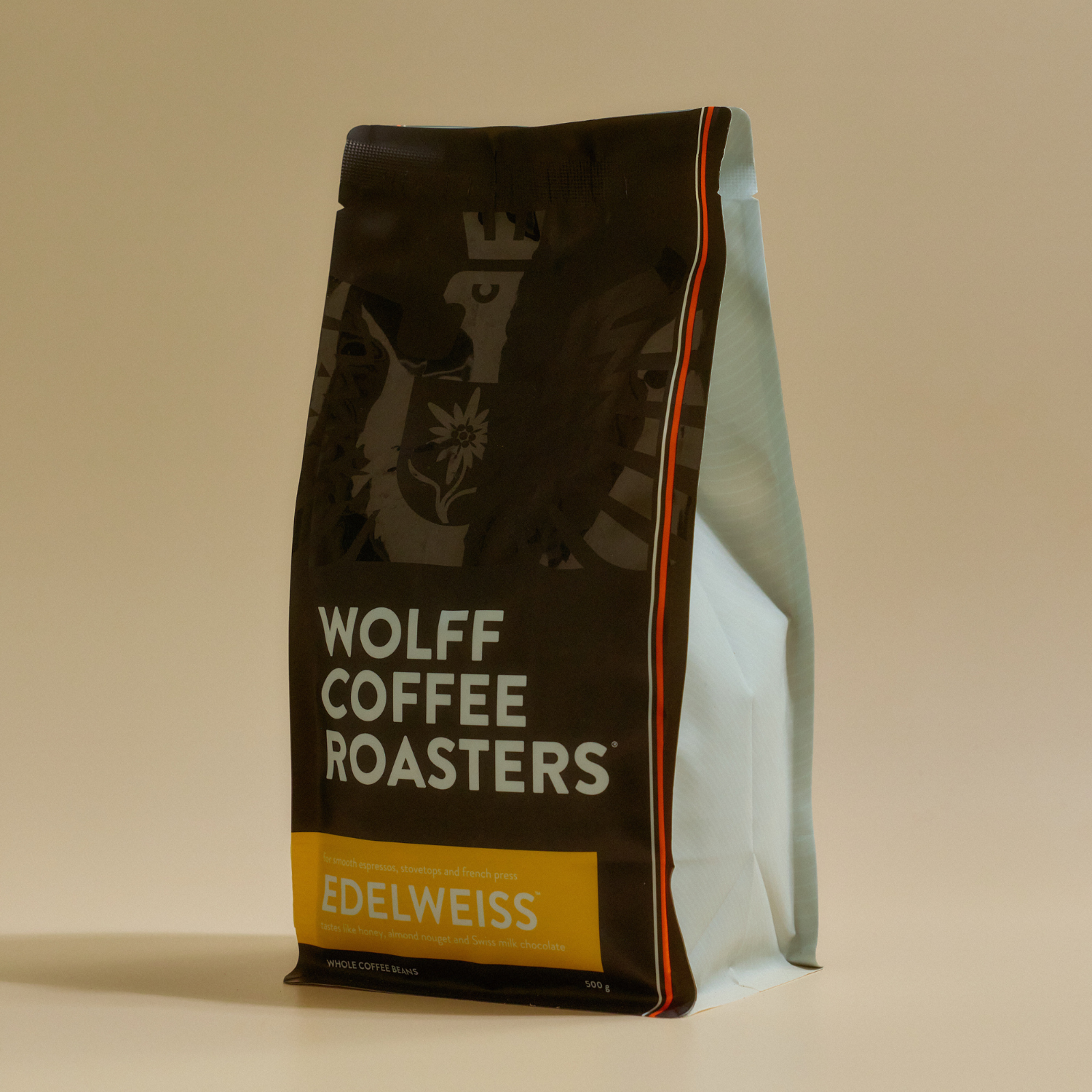
This is the whole reason we exist the way we do. We roast Monday to Friday from our own roastery in Hendra, in small batches, and every bag carries its roast date. We are not roasting a year ahead and storing it. We are roasting to order and getting it to you while it is still in its prime, whether you grab a bag from the Big Bad Wolff Espresso Bar, order online, or set up a subscription so a fresh roast lands on your doorstep on repeat.
Freshly roasted is not a marketing line for us. It is a date on the bag, and a promise behind it.
Ready to taste the difference a real roast date makes? Browse our coffee range or join the Wolff Pack with a subscription, and have genuinely fresh coffee delivered the way it should be.
Leave a comment
This site is protected by hCaptcha and the hCaptcha Privacy Policy and Terms of Service apply.