



Buy a two thousand dollar machine and grind stale beans in a blade grinder, and you'll still get a flat, dull cup. Buy a forty dollar hand grinder, fresh beans, and grind them right before you brew, and you'll beat it.
Home brewing has stopped chasing convenience
For years the story was pods and one touch machines, buy the gear, press the button, done. That's shifted. People brewing at home now want control over flavour and freshness, not just speed. Which is a good thing, because control is exactly where the actual improvements live, and none of them require a bigger machine.
The part nobody tells you about freshness
Roasted coffee starts losing the volatile aromatics that make it worth drinking within days of roasting, not months. Whole beans hold up reasonably well if they're sealed properly, most of what you buy is best inside two to four weeks of the roast date.
Ground coffee is a different story entirely. The moment you grind, you've exposed a huge amount of surface area to oxygen. What took weeks to fade as a whole bean fades in hours once it's ground. Pre ground coffee sitting in a bag on a shelf, however good the bean was on the day it was roasted, is already a diminished product by the time it reaches your cup.
So the single highest leverage habit you can build isn't buying better gear. It's grinding the morning you drink it, not the week before.
Grind size is judgment, not a setting you copy off a chart
This is the part machines and generic advice both get wrong. A grind chart will tell you a number. It won't tell you what that number should feel like for your water, your ratio, or the bean sitting in front of you. That's judgment. It's the part of brewing that doesn't get automated away, whatever else changes around it. Better beans and the right grind size are decisions you make, not settings you inherit.
A rough feel for where to start, adjusted by taste from there:
Coarse, close to rock salt, for a plunger or French press. Too fine here and you'll get sediment and bitterness from over extraction sitting in the bottom of the cup.
Medium, close to coarse sand, for filter and pour over methods. This is where most home brewers land and where small adjustments make the biggest difference to sweetness and clarity.
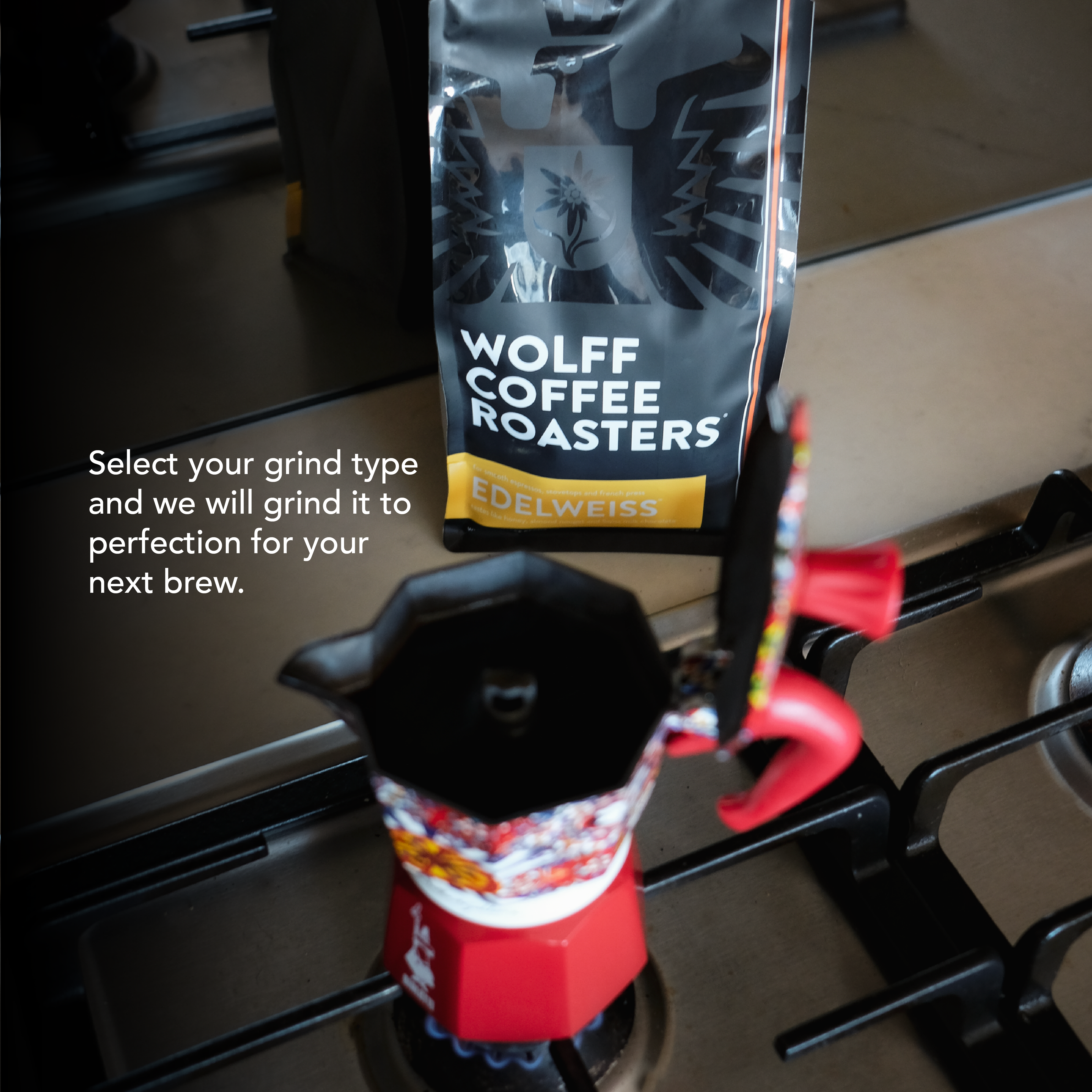
Fine, close to table salt, for a moka pot or a domestic espresso machine. Too coarse here and you'll get a thin, sour shot no matter how good the bean was.
Taste is still the final instrument. If a cup runs sour and thin, grind finer. If it runs bitter and heavy, grind coarser. That adjustment, made by you, tasting your own cup, is the whole craft.
Matching bean to method
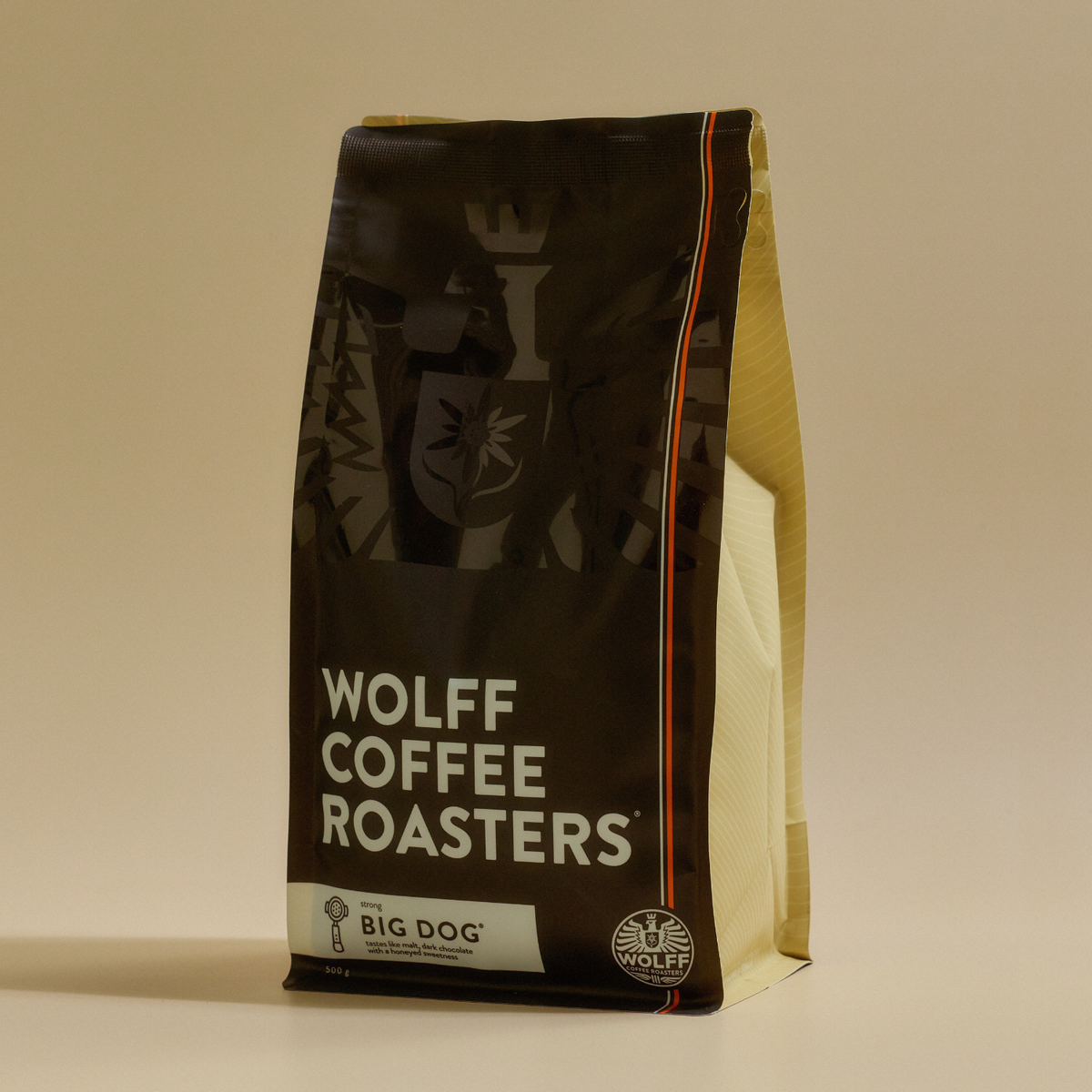
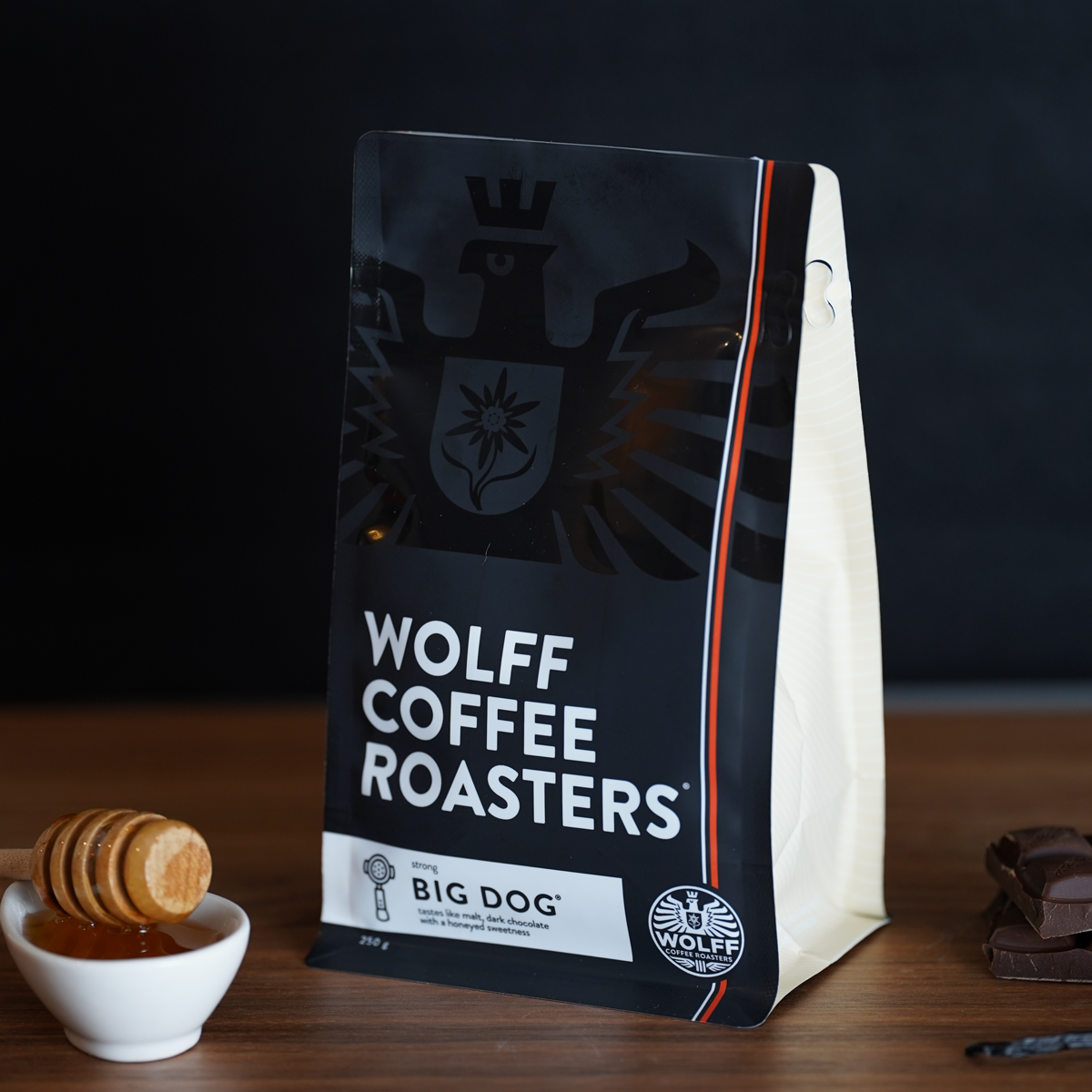
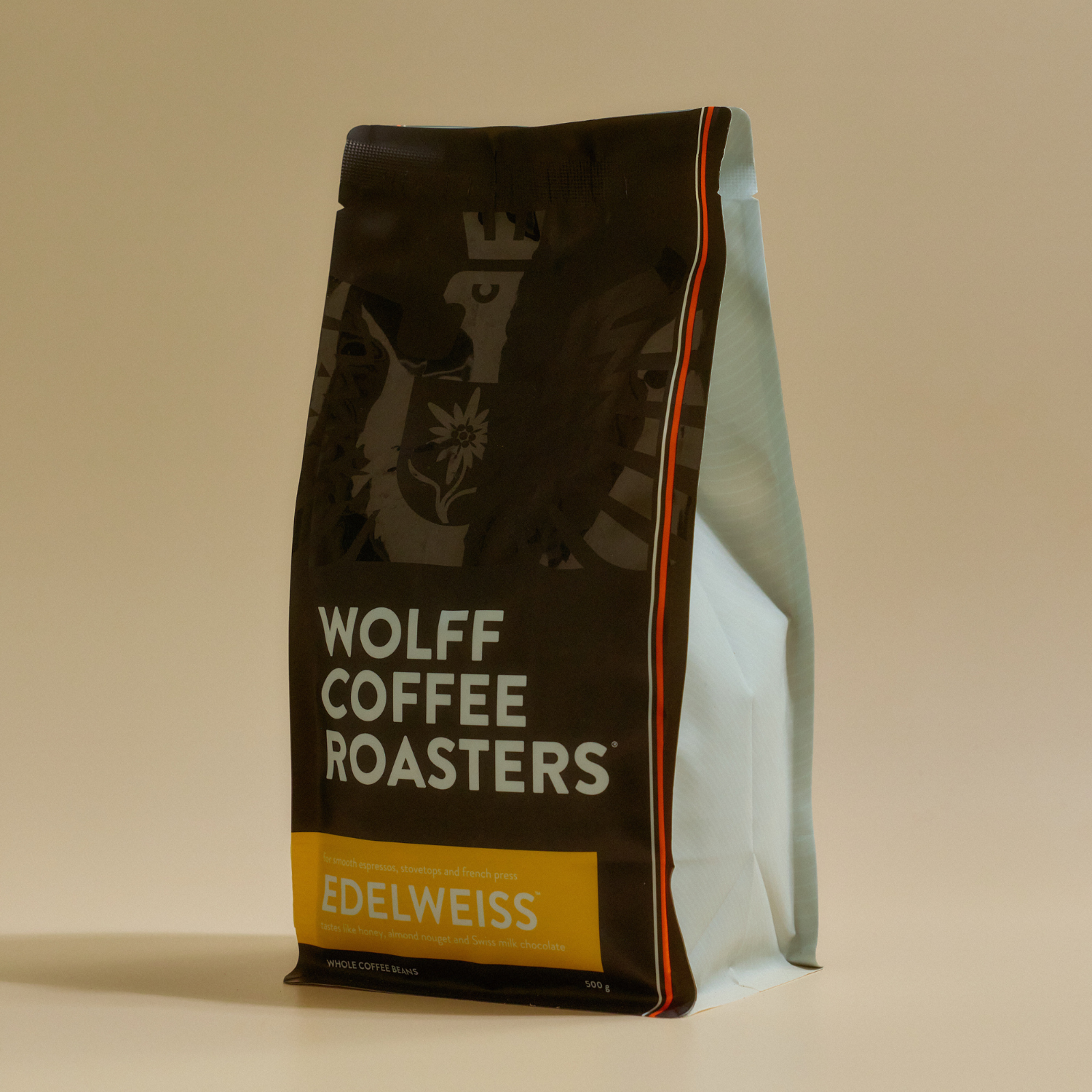
Big Dog, full bodied and strong, holds up well in a plunger where a longer steep needs a coffee with enough backbone not to go flat. Edelweiss, our refined Haus Blend with honey, almond nougat and Swiss milk chocolate notes, rewards a slower pour over where those delicate notes have room to show. DRK, dark and bittersweet, suits a moka pot or espresso where concentration and bite are the point. Lil Red, sweet and balanced, is the one that's genuinely forgiving across most methods, a good place to practise your grind adjustments without punishing yourself for a miss.
What to actually do
Buy whole beans, not ground. Buy less at a time so what you're drinking is always close to its roast date. Grind right before you brew, even if that's just a hand grinder and two minutes you didn't used to spend. Taste, adjust the grind, taste again.
Grind your beans the morning you drink them, not the week before. What's the last thing you actually adjusted about how you brew, your grind, your ratio, or your water?
Leave a comment
This site is protected by hCaptcha and the hCaptcha Privacy Policy and Terms of Service apply.