


Light roast never meant weak. It never meant sour either, whatever your first bad pour over taught you.
The myth that won't die
Somewhere along the way, roast colour became a stand in for strength. Dark equals bold and wakes you up. Light equals thin and won't do much. Neither is true, and it's worth understanding why, because the mix up is costing people a lot of good coffee they've been avoiding for no reason.
Strength comes from your ratio, how much ground coffee you use per litre of water, and how you extract it. Roast level barely moves caffeine content either way, whatever the myth says. A well made light roast pour over can hit you just as hard as a dark roast plunger. What roast level actually changes is flavour, not force.
What's actually shifted
For a long time, light roast had a reputation problem of its own making. Roasters pulled beans early to chase acidity above everything else, and a lot of home drinkers ended up with sharp, sour cups that put them off the category for good.
That's not where light roast sits anymore. The focus across specialty coffee has moved toward balance and brew friendliness rather than raw acidity for its own sake, which is a meaningful shift from where the category was a few years back. Roasters designing for lighter profiles now are thinking about how the coffee actually performs in your cup at home, not just how it scores on a competition table.
What roast level is actually doing to the bean
As coffee roasts, sugars caramelise, oils migrate to the surface, and the acids that give a coffee its brightness gradually break down. The longer and hotter the roast, the more of that original character gets replaced by roast driven flavour, the caramel, the char, the toasted grain notes that taste like roasting rather than like the place the coffee came from.
Pull the beans earlier and more of what made that coffee distinctive in the first place survives into your cup. A washed Ethiopian roasted light still tastes recognisably like where it grew. Roasted dark, it starts to taste like most other dark roasted coffee, because roast flavour has overtaken origin flavour.
Neither approach is more correct. They're different decisions about what you want the cup to taste like.
How our own blends sit on that spectrum
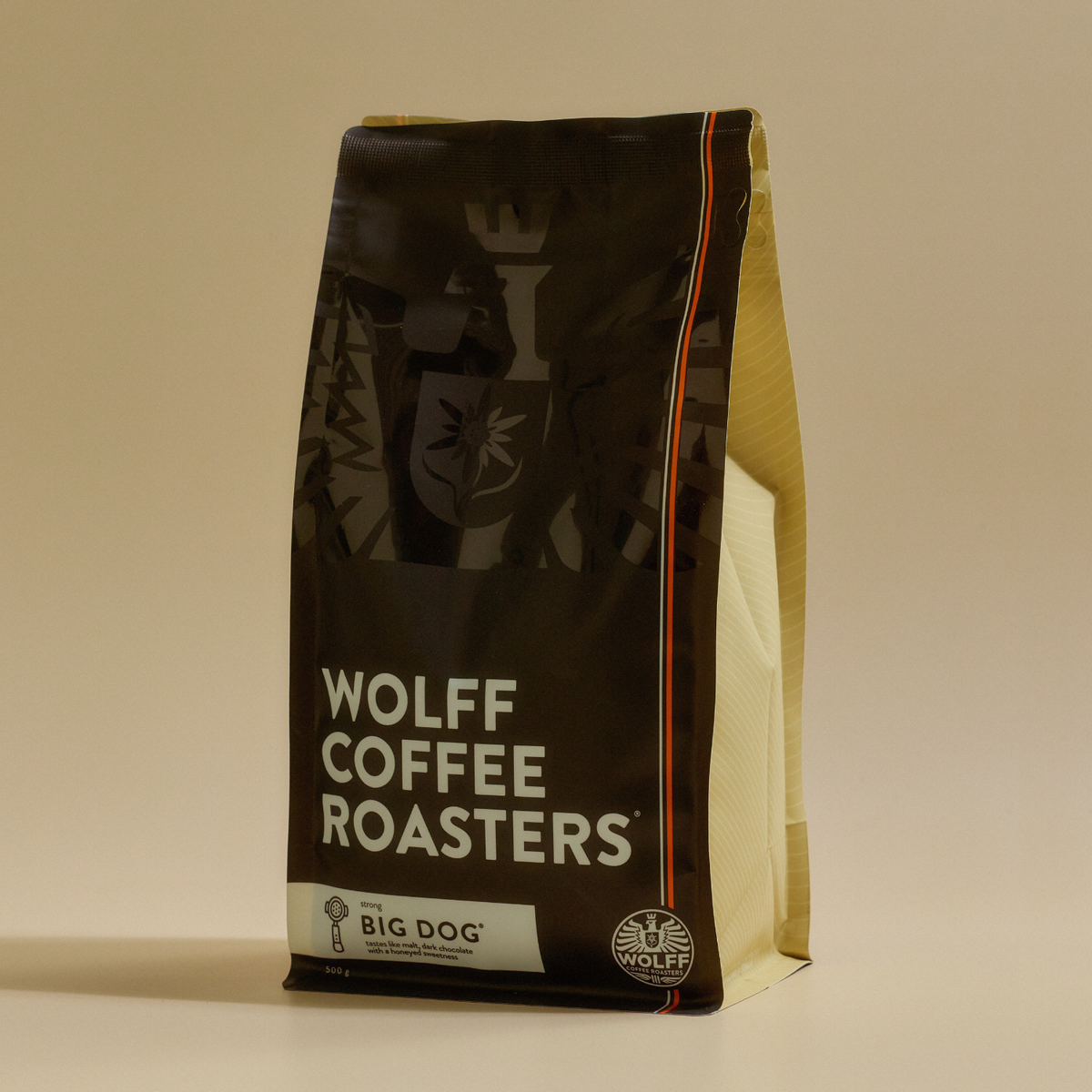
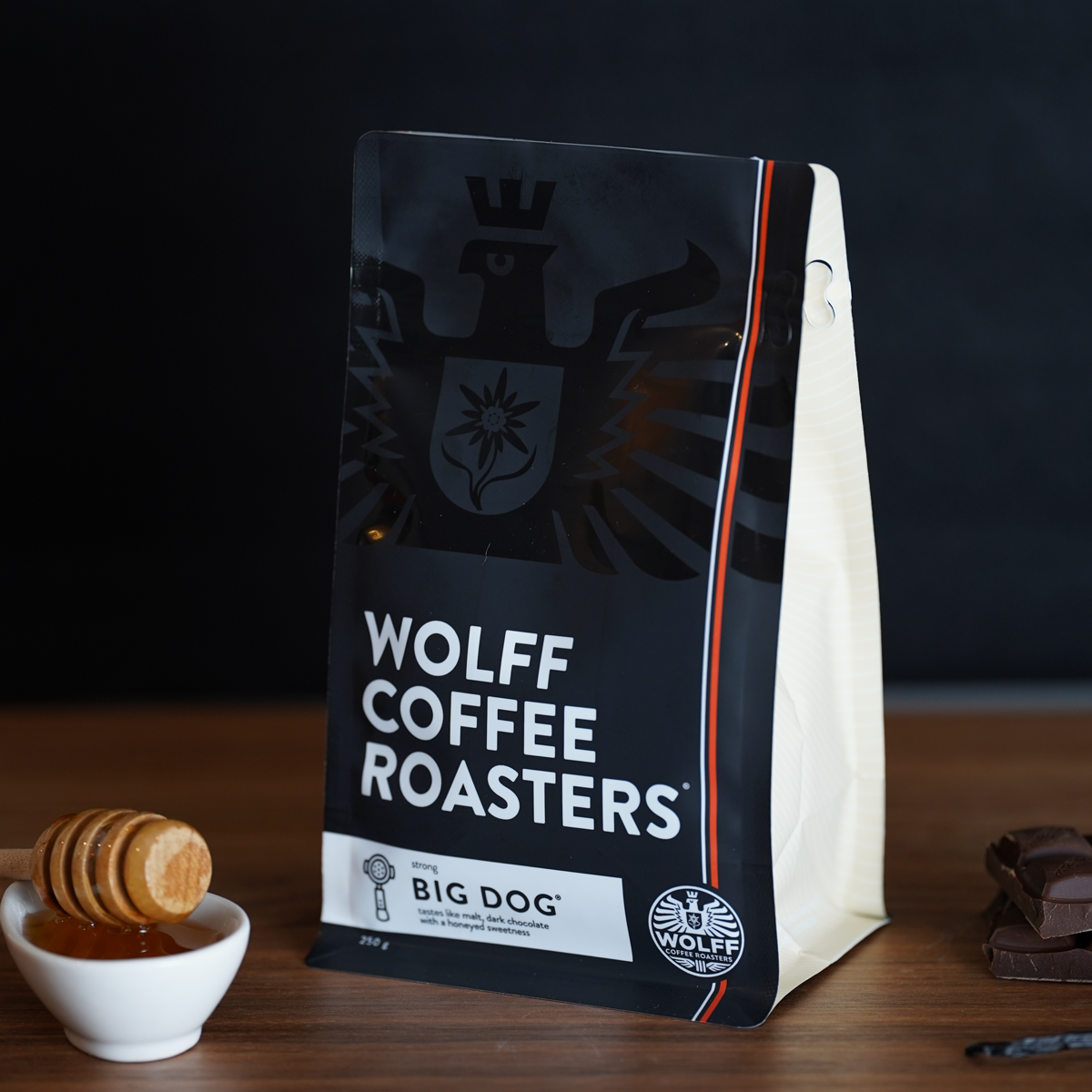
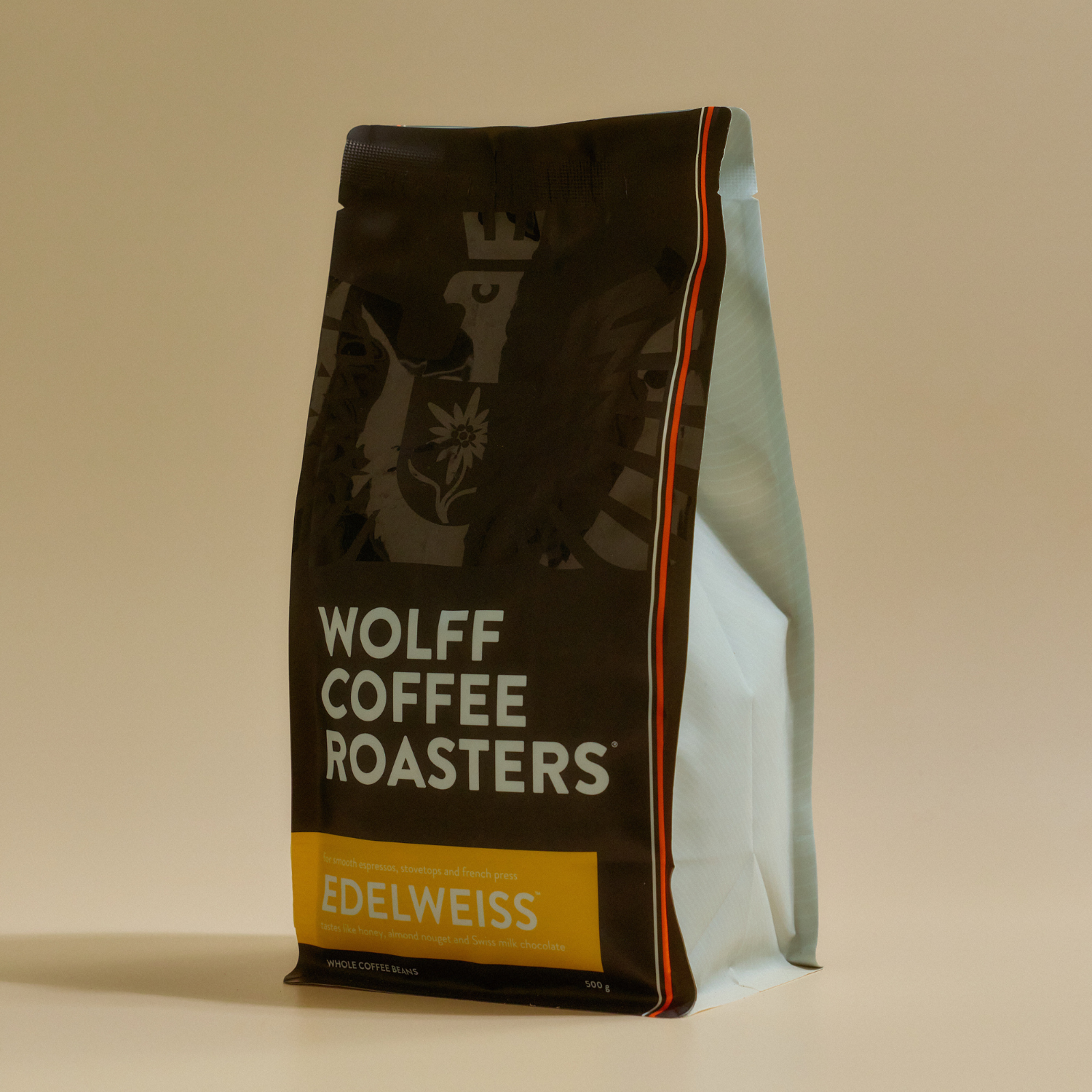
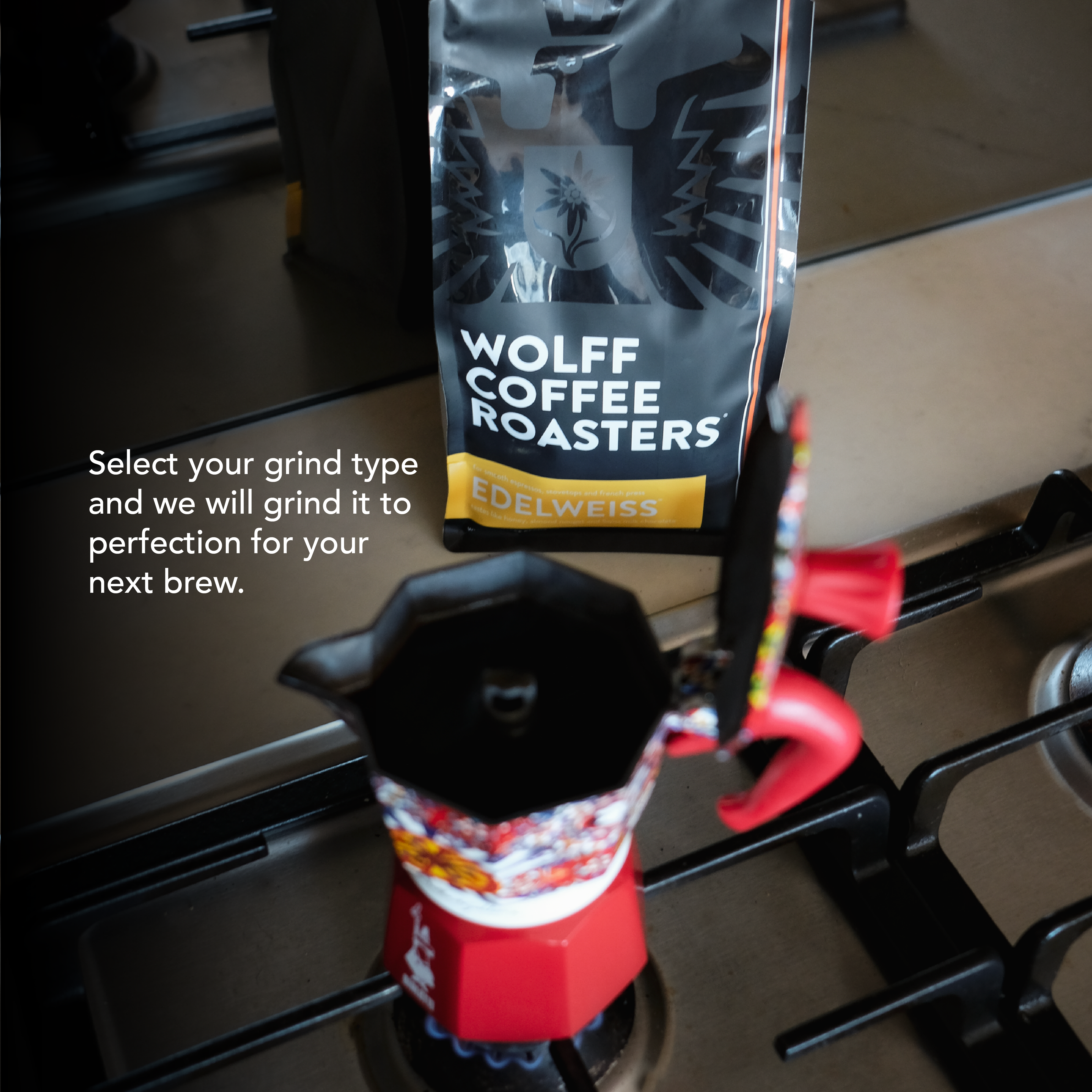
You can taste the difference across our own range without needing to buy a single origin to see it. Lil Red sits at the brighter end, apricot jam, blueberry, red apple, the kind of fruit forward cup that only survives a lighter roast. Edelweiss sits in the middle, honey, almond nougat and Swiss milk chocolate, roast character and origin character sharing the space evenly. Big Dog leans further into roast driven flavour, malt, dark chocolate, honeyed warmth, built for reliability more than delicacy. DRK sits at the far end on purpose, bold and unapologetically dark, built for people who want roast character to lead.
None of these is the "correct" choice. They're four different answers to the same question, and the honest way to find yours is to taste your way across them rather than picking by label.
What to actually do
Stop choosing by the words on the bag. Buy one you'd normally skip because it sounds too light or too dark for you, brew it properly, fresh and at the right grind for your method, and taste it without deciding in advance what you think it should taste like.
Which of our blends have you actually never tried because of what you assumed the roast would taste like?
Leave a comment
This site is protected by hCaptcha and the hCaptcha Privacy Policy and Terms of Service apply.