




Bitter coffee is the most common complaint we hear, and it's almost always fixable at home in under a week.
Coffee has some natural bitterness. That's fine. Chocolate is bitter. Good coffee has a pleasant bitterness that sits behind sweetness and body. The problem is when bitterness takes over and the cup tastes harsh, drying, or like it's scraping the back of your throat.
That harshness has a cause. Usually one of 4.
The short answer
Bitterness comes from over extraction. Hot water pulls flavour compounds out of ground coffee in a rough order: acids first, then sugars, then the bitter compounds last. If the water spends too long in contact with the coffee, or reaches too much of it, you get too much of the last group.
So the fix is always some version of "pull less out." Here's how to work out which lever to pull.
Cause 1: Your grind is too fine
This is the most common cause. Finer grounds have more surface area, so water extracts from them faster. If your plunger coffee is bitter and the grounds look like sand rather than coarse sea salt, this is your problem.
Fix: grind coarser. If you buy pre ground, check the bag says the grind matches your brewer. Espresso grind in a plunger is a guaranteed bitter cup.
Cause 2: You're brewing too long
Plunger coffee left steeping for 10 minutes will taste bitter. So will a pour over that drips through slowly because the grounds are packed too tight, or a stovetop pot left on the heat after it finishes gurgling.
Fix: time it. Plunger, 4 minutes then press and pour. Pour over, aim for 2.5 to 3.5 minutes total. Stovetop, take it off the heat the moment the coffee starts to sputter.
Cause 3: Your water is too hot
Water at a rolling boil poured directly onto coffee can push extraction hard, especially with lighter roasts or fine grinds. The ideal window is 92 to 96°C.
Fix: boil the kettle, then wait 30 to 45 seconds before pouring. No thermometer needed.
Cause 4: The coffee is stale or dark roasted past its best
Old coffee doesn't just taste flat. As the good aromatics fade, what remains is often a dull bitterness that no brewing adjustment will remove. Very dark roasts can also carry a burnt or ashy bitterness that was baked in at the roastery, not created in your kitchen.
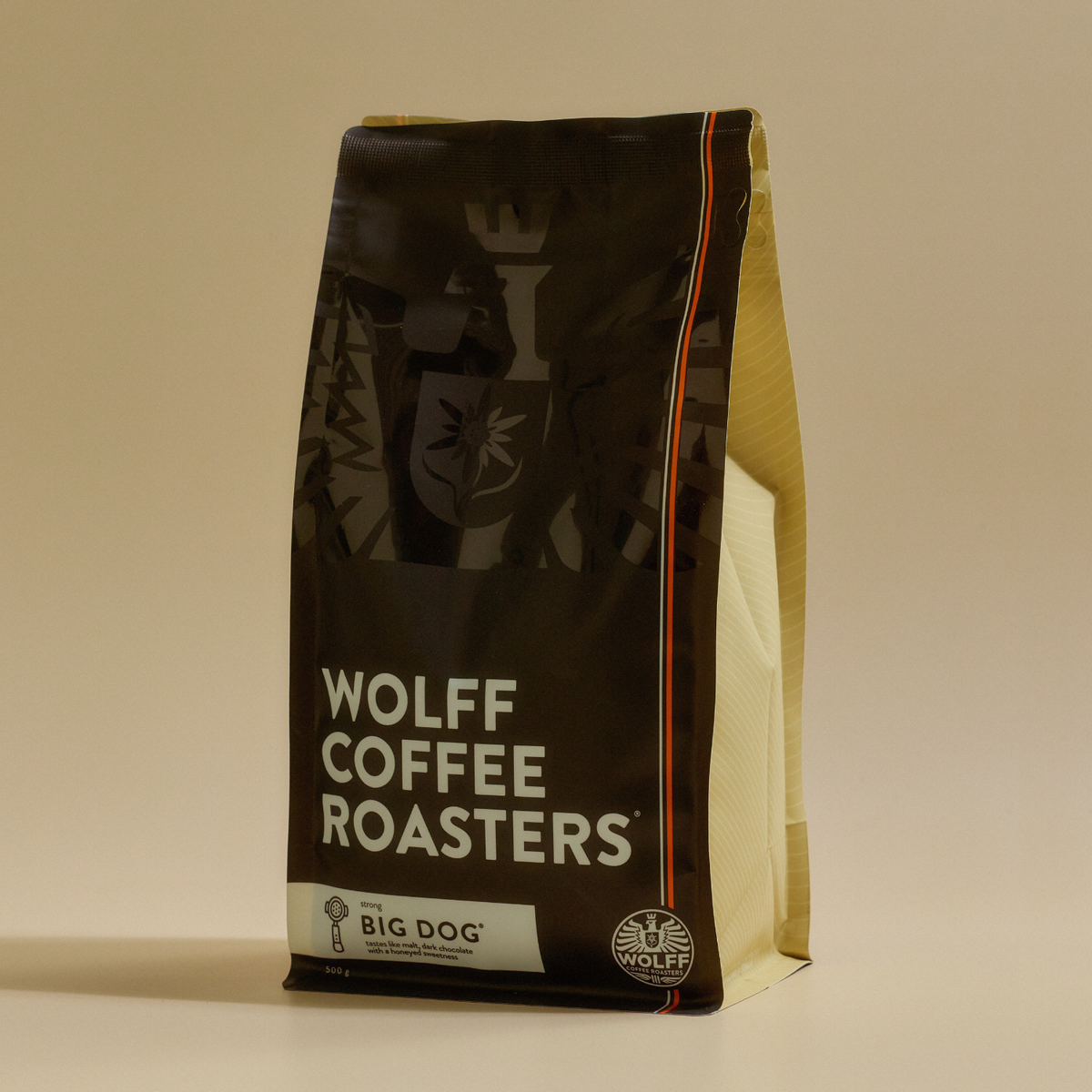
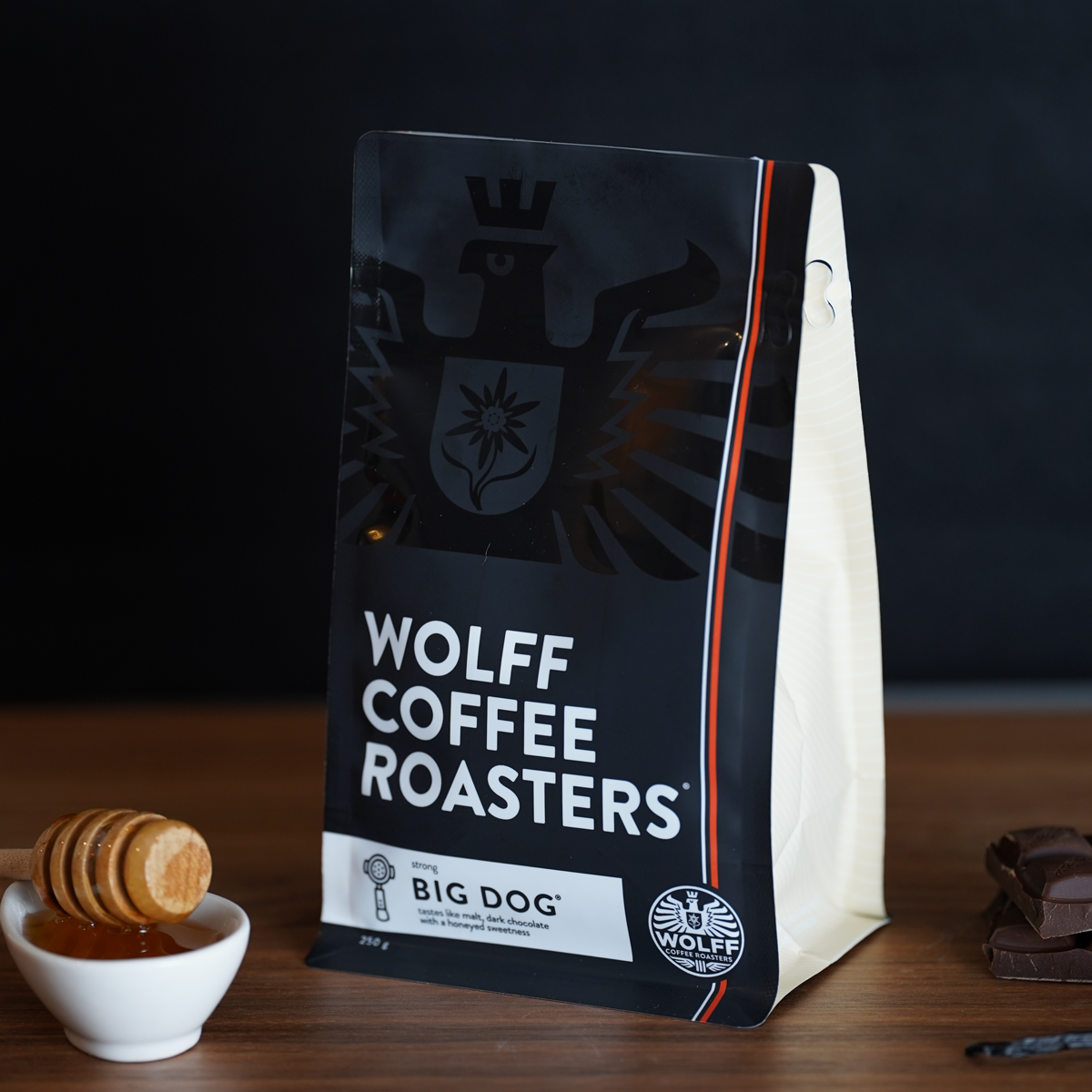
Fix: check the roast date. If the bag has none, or it's more than 6 weeks old, that's the likely culprit. Fresh coffee from a roaster who roasts for flavour rather than colour won't have that ashy edge. We roast Big Dog and Lil Red to bring out sweetness and balance, which makes them very forgiving if you're still dialling in.
A quick way to diagnose
Change one thing at a time. Start with grind, because it's the most likely cause and the easiest to adjust. Brew, taste, adjust. If coarser grind helps but doesn't solve it, shorten the brew time. If neither helps, look at your water and your beans.
Don't try to fix bitterness by adding more coffee. That makes the cup stronger but does not make it less bitter. Strength and bitterness are different things.
What about sugar or milk?
They mask bitterness. They don't remove it. If you've been adding sugar to make coffee drinkable, try the fixes above first. A lot of people find they need less sugar, or none, once the coffee is brewed properly. That's not a rule. It's just something to notice.
Which of the 4 sounds most like your morning cup?
Leave a comment
This site is protected by hCaptcha and the hCaptcha Privacy Policy and Terms of Service apply.