


Most of us start with the cup. The warmth of it in your hands early in the morning. The smell that gets you moving before the first sip even happens. Coffee is deeply personal, and for a lot of people, it is one of the small rituals that makes a day feel like yours.
But coffee does not begin with you, and it does not begin with us. It begins somewhere else entirely, with a farmer on a hillside who has spent years learning how to coax something extraordinary out of the soil. Understanding that is not a requirement for enjoying great coffee. What it does, though, is make the cup mean a little more.
At Wolff, we think about the full journey of coffee. Not because it makes us sound impressive, but because we genuinely believe that better relationships across the supply chain produce better coffee in your cup. That is the straightforward version of what supporting coffee communities actually means.
Where does coffee actually come from?
Coffee is grown in a band of countries that stretch around the equator, often referred to as the coffee belt. These regions include parts of Ethiopia, Colombia, Brazil, Guatemala, Indonesia, Mexico, and many others. The conditions in each place, the altitude, the rainfall, the soil, and the variety of the plant itself, all contribute to what the coffee ends up tasting like.
Behind every bag of coffee is a producer who made decisions at every stage of that process. When to pick the cherry. How to process it. How long to dry it. These are not small choices. They take knowledge, skill, and often significant personal risk.
Many of these producers are smallholder farmers, meaning they work relatively modest plots of land and depend on the quality and consistency of their harvest to sustain their families and communities. The decisions made further down the supply chain, including the prices paid for their coffee and the relationships maintained with buyers, have a real impact on their ability to invest in quality year after year.
What supporting communities actually looks like
There is a version of coffee marketing that throws words like ethical and sustainable around without much substance behind them. We are not interested in that.
When Wolff talks about supporting coffee communities, we mean it in practical terms. One of the clearest examples is our supply partnership with Caravella for our Mexican origin coffees. Caravella operates on a direct trade model where premium pricing has a measurable, real world impact on the living wages of both farmers and pickers. This is not a vague promise about doing good. It is a specific commitment that flows money back to the people doing the work at origin.
Caravella also takes their environmental responsibility seriously. They are committed to offsetting 100 percent of their scope 1, 2, and 3 emissions, and they have developed the Greener Coffee platform to give roaster partners like us real time visibility over the environmental footprint of the coffee we source. That kind of transparency and accountability from a supply chain partner matters to us. It means the story we tell about our coffee is one we can actually stand behind.
Beyond pricing, we also partner with SEDEX, a globally recognised platform that helps us manage and audit our supply chain against human slavery and exploitation. It means we are not simply hoping our supply chain is ethical. We are actively verifying it, holding our partners to a standard, and taking responsibility for what happens before the coffee ever reaches our roastery.
When a producer knows their effort will be recognised and rewarded, they have the means and the motivation to keep improving. That improvement eventually shows up in the cup you are drinking.
For cafes and home brewers, this is where the connection becomes real. The coffee you choose to buy is a small but meaningful signal about the kind of industry you want to support. You do not need to become an expert in supply chain ethics to make a thoughtful choice. You just need a roaster you trust to have done the work.
Our commitment to country and climate
Supporting communities is not only about the people who grow coffee. It is also about the land those communities depend on.
All Wolff coffee is carbon offset through our partnership with FTA Coffee Australia. Our carbon credits are directed toward projects with genuine environmental impact, including local Indigenous savannah burning projects that support traditional land management practices, as well as land reforestation and rejuvenation initiatives. These are not abstract offsets purchased to tick a box. They are investments in country, in community, and in the kind of future worth caring about.
For us, this sits alongside our sourcing values naturally. Looking after people and looking after land are not separate concerns. They are part of the same story.
How freshness connects to the whole chain
One thing that often gets overlooked is how closely freshness connects to the entire supply chain story. Coffee that is sourced with care, roasted with skill, and delivered quickly is coffee that honours the work done at origin. When a roaster cuts corners on sourcing or lets coffee sit too long before it reaches you, the quality of that original work is diminished.
At Wolff, roasting fresh and sourcing thoughtfully go hand in hand. It would not make sense to invest in relationships with quality producers and then undercut that work with poor handling afterward. The whole chain matters.
The everyday connection
You do not need to visit a farm or understand processing methods to be part of something good. The simple act of choosing coffee that has been sourced and roasted with genuine care is enough.
For the curious home brewer who wants to understand what is in the cup, knowing that quality starts long before the roastery is useful context. It explains why two bags of coffee that look similar on the shelf can taste completely different. Origin matters. Relationships matter. Craft matters.
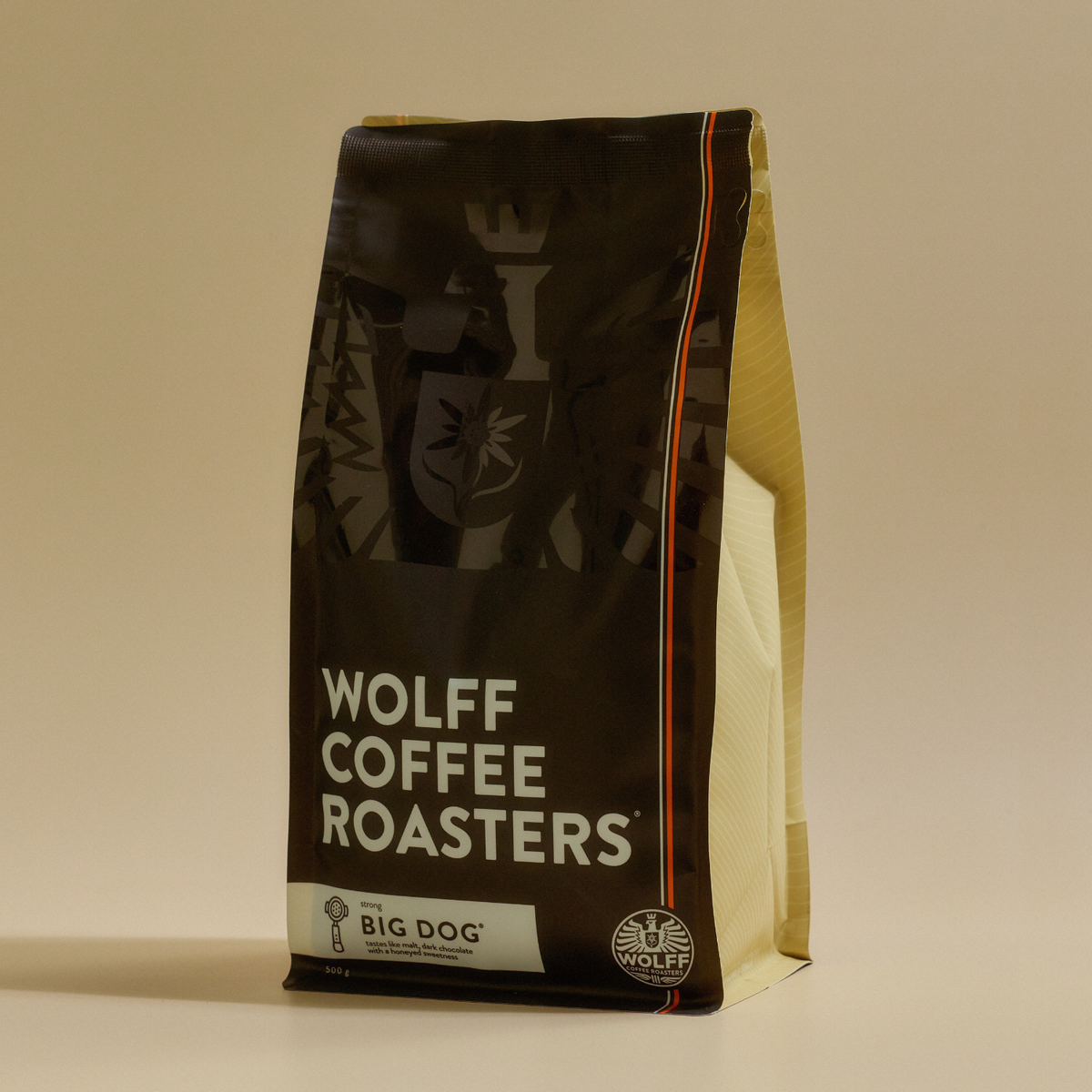
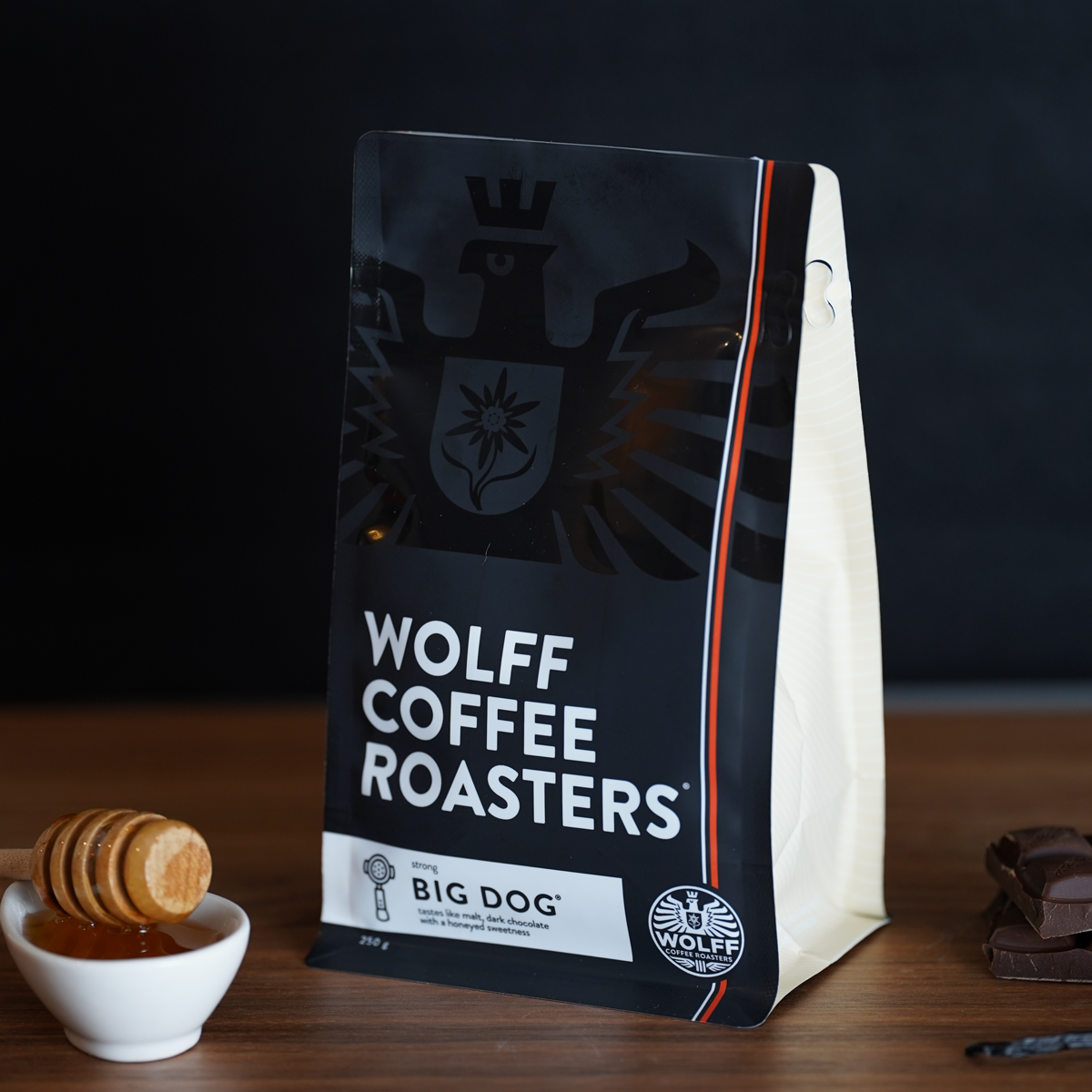
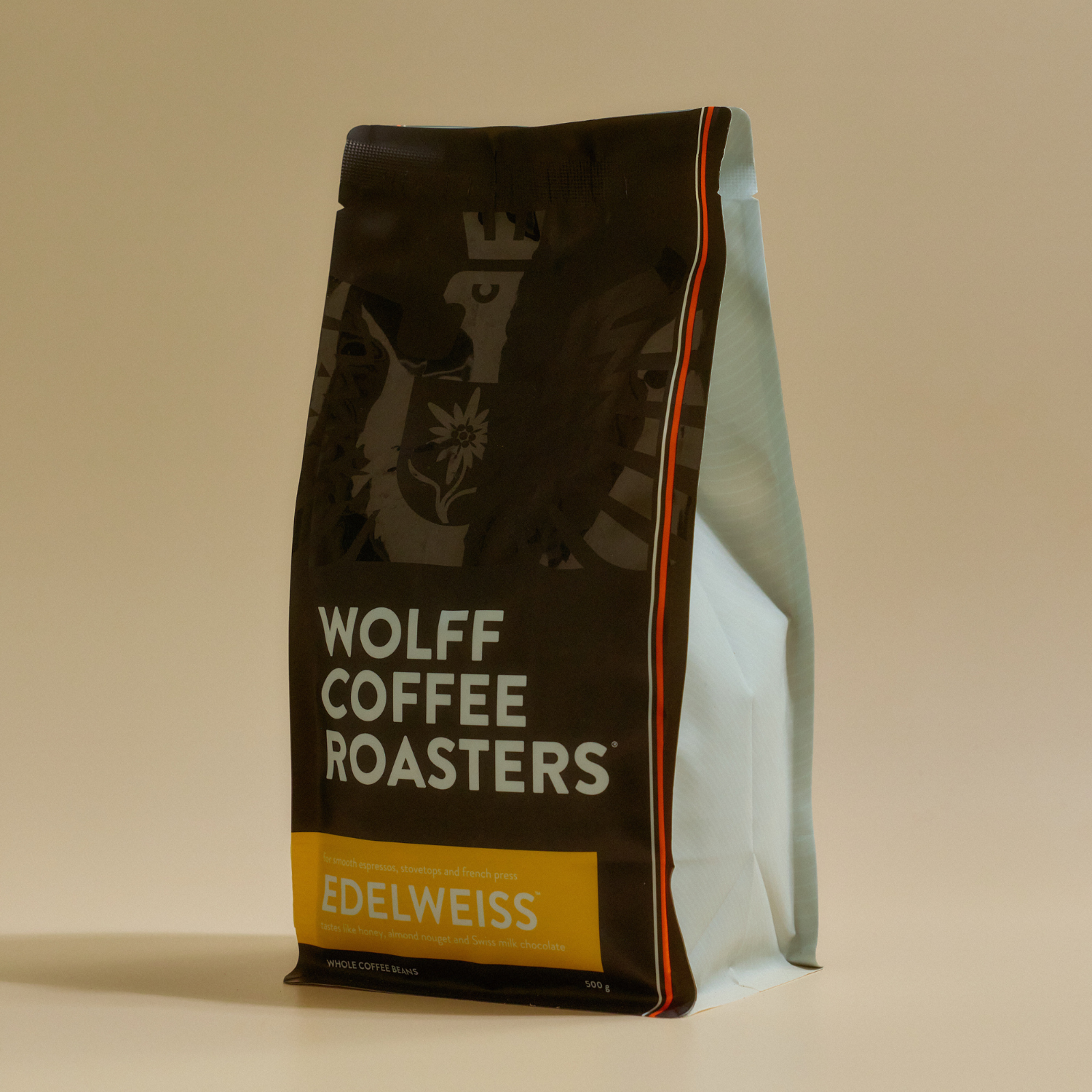
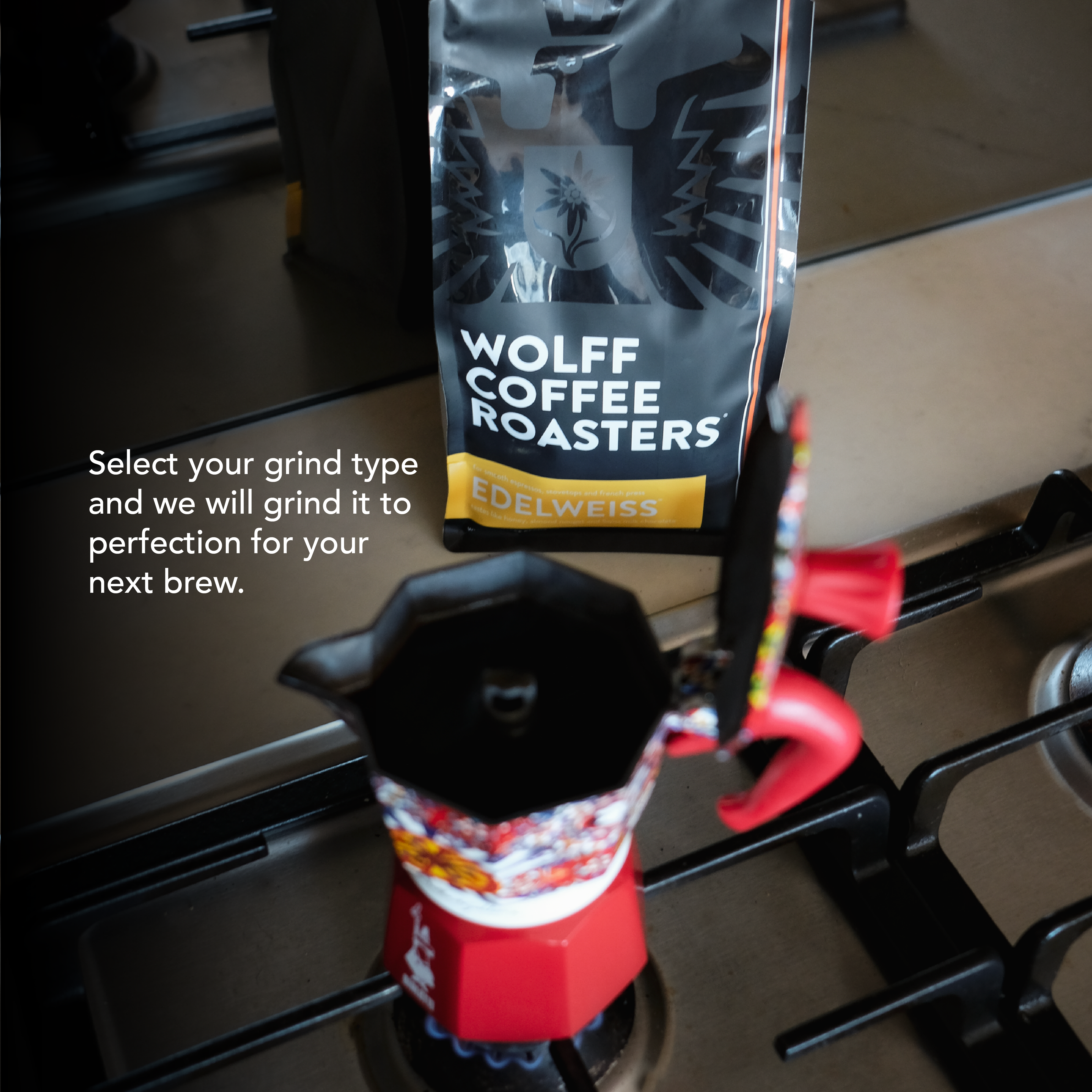
Whether you are reaching for Big Dog for your everyday brew, exploring the elegance of Edelweiss, or finding the balance that suits your routine with Lil Red, each of those coffees carries a story that started with a person and a plant somewhere in the world.
The cup is where the story ends. But the people and the places behind it are worth knowing about.
Frequently asked questions
Does buying from a purpose driven roaster actually make a difference to farmers? Yes. Roasters who source through transparent, relationship based supply chains typically pay significantly more for their coffee than commodity pricing allows. Through partnerships like our arrangement with Caravella for Mexican origin coffee, that difference flows directly to farmers and pickers as part of a living wage commitment.
What is SEDEX and why does it matter? SEDEX is a globally recognised platform that helps businesses manage supply chain responsibility, particularly around human rights and labour standards. Our partnership with SEDEX means our supply chain is actively audited against criteria that protect workers from exploitation and modern slavery.
What is the Greener Coffee platform? It is a tool developed by Caravella that gives roaster partners real time visibility over the environmental impact of the coffee they source. It supports transparency across the supply chain and helps partners like Wolff make more informed decisions about sourcing and environmental stewardship.
What does carbon offset mean for my coffee purchase? It means every bag of Wolff coffee is carbon offset through our partnership with FTA Coffee Australia, with credits directed toward meaningful environmental projects including Indigenous savannah burning and land reforestation. Choosing Wolff is a small part of a larger commitment to country and climate.
Do I need to understand all of this to enjoy good coffee? Absolutely not. Wolff exists to take care of the complexity so you can focus on the enjoyment. But knowing a little of the story can make the experience richer.
Leave a comment
This site is protected by hCaptcha and the hCaptcha Privacy Policy and Terms of Service apply.