



There is one thing that separates a good cup of coffee from a genuinely great one at home. It is not your machine. It is not the water temperature. It is not even the beans, though great beans absolutely matter. It is your grinder setting. More specifically, it is knowing how to adjust it.
Dialling in your grinder sounds technical. It sounds like something baristas do behind the scenes before service, surrounded by clipboards and refractometers. The truth is far simpler. It is one of the most straightforward skills you can learn, and once it clicks, your coffee will never go back to being ordinary.
What Does Dialling In Actually Mean?
In simple terms, dialling in your grinder means finding the right grind size for the coffee you are brewing. Not too coarse, not too fine. Just right for your method, your beans, and your taste.
Grind size controls how quickly water passes through the coffee and pulls out flavour. Grind too fine and the water struggles to get through, pulling out too much and turning your cup bitter and harsh. Grind too coarse and the water rushes through too fast, leaving the coffee thin, sour, or flat. The sweet spot in the middle is where everything tastes the way it should.
Why Does My Coffee Taste Off Even When I Follow the Recipe?
This is one of the most common questions we hear from home brewers, and grind size is almost always part of the answer. You can have the right dose, the right water temperature, and the right brew time, but if the grind is off, the cup will be off too.
Here is what to listen for.
If your coffee tastes sour, sharp, or empty, it is most likely under extracted. This usually means the grind is too coarse and the water is flowing through too quickly without pulling out the good stuff. Go finer.
If your coffee tastes bitter, dry, or almost chalky, it is most likely over extracted. This usually means the grind is too fine and the water is spending too long in contact with the grounds. Go coarser.
Once you know what to taste for, adjusting becomes intuitive. Your cup tells you what it needs.
How to Dial In Your Grinder at Home
Start with your current setting and brew a cup the way you normally would. Before anything else, taste it without milk or sugar. That first honest sip gives you the clearest signal.
Ask yourself three questions. Does it taste sour or sharp? Does it taste bitter or dry? Or does it taste balanced, smooth, and pleasant?
If it tastes sour, adjust your grinder one step finer. If it tastes bitter, adjust one step coarser. Make only one change at a time. Brew again. Taste again. Repeat until the cup tastes the way you want it to.
This process is not about chasing perfection. It is about understanding what your coffee is telling you and making small, confident adjustments in response. Most people find their ideal setting within two or three brews.
One thing worth knowing. When you open a new bag of coffee, even if it is the same blend you always buy, it is worth a quick taste to check the grind is still right. Fresh beans behave differently depending on how recently they were roasted. A very fresh roast may need a slightly coarser grind, while beans a few weeks from roast date may suit a slightly finer setting. Nothing to stress about. Just something to be aware of.
Does the Type of Coffee I Buy Affect How I Dial In?
Yes, and this is where it gets genuinely interesting.
Different roast levels and different blends respond a little differently. A lighter roast tends to be denser and benefits from a slightly finer grind to help unlock its flavour. A darker roast is more porous and often extracts more easily, so a slightly coarser grind helps prevent bitterness.
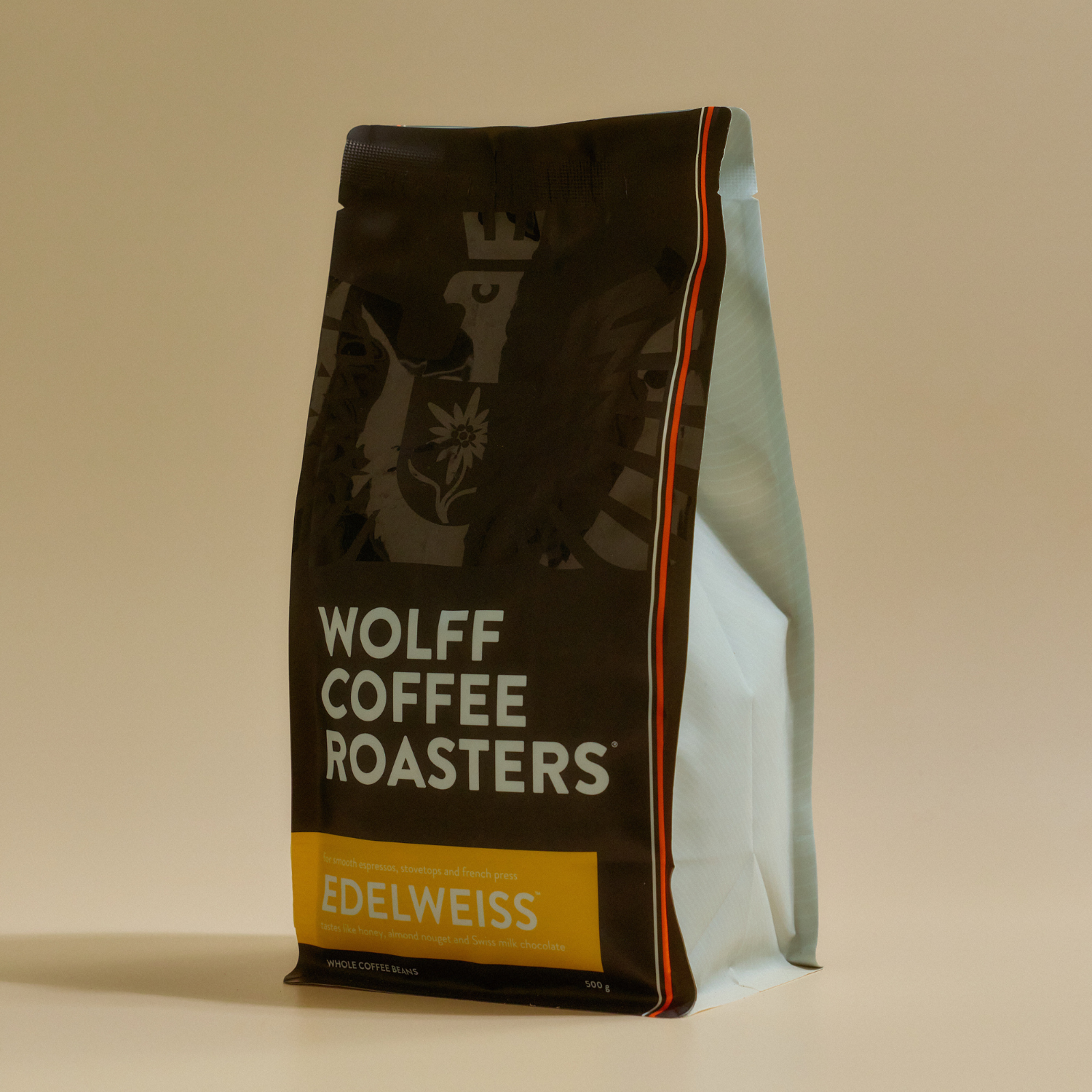
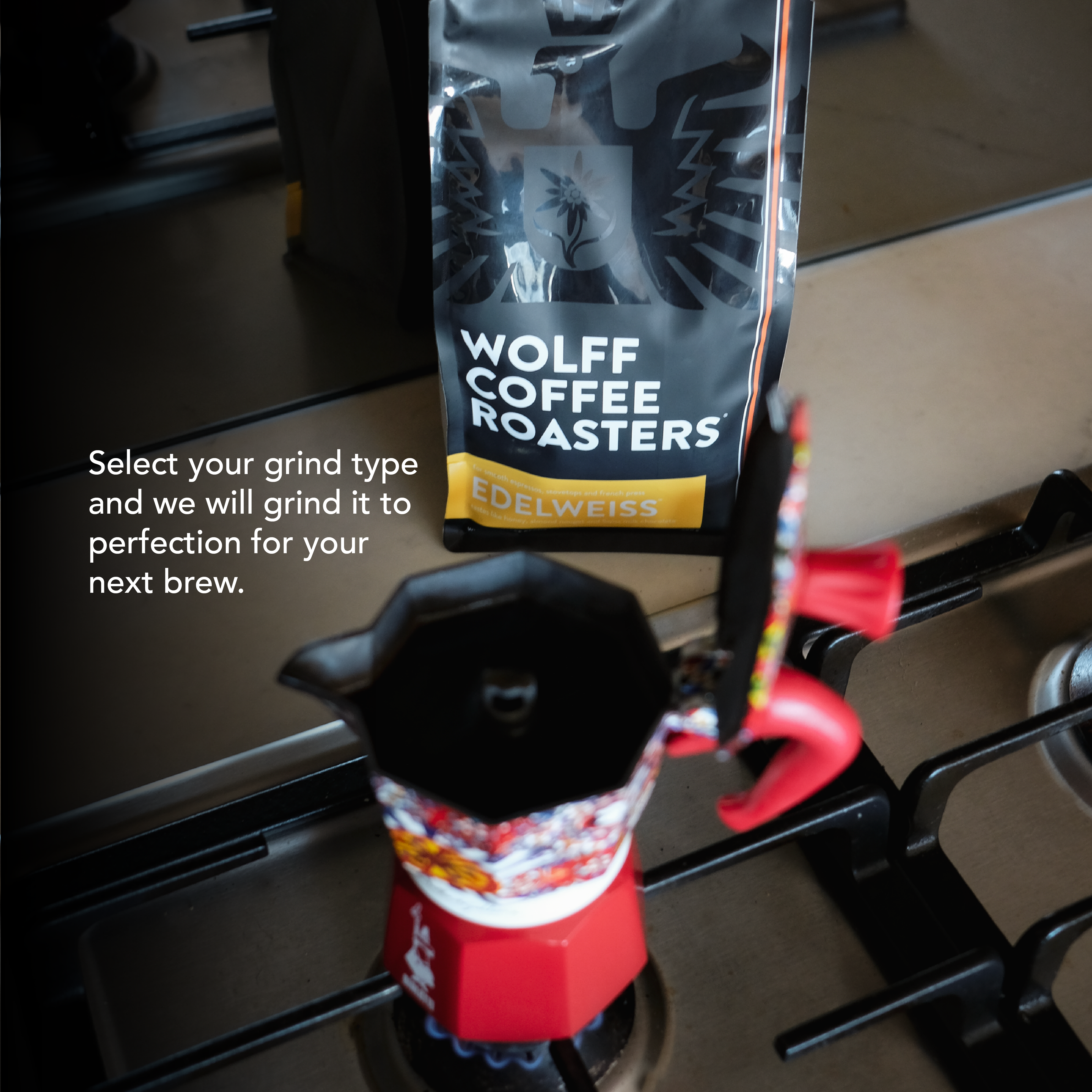
If you are brewing something like our Edelweiss, a refined and layered blend, giving it a little extra attention during dialling in is worth the effort. The complexity is there in the bean. The grind is what lets it show up in the cup.
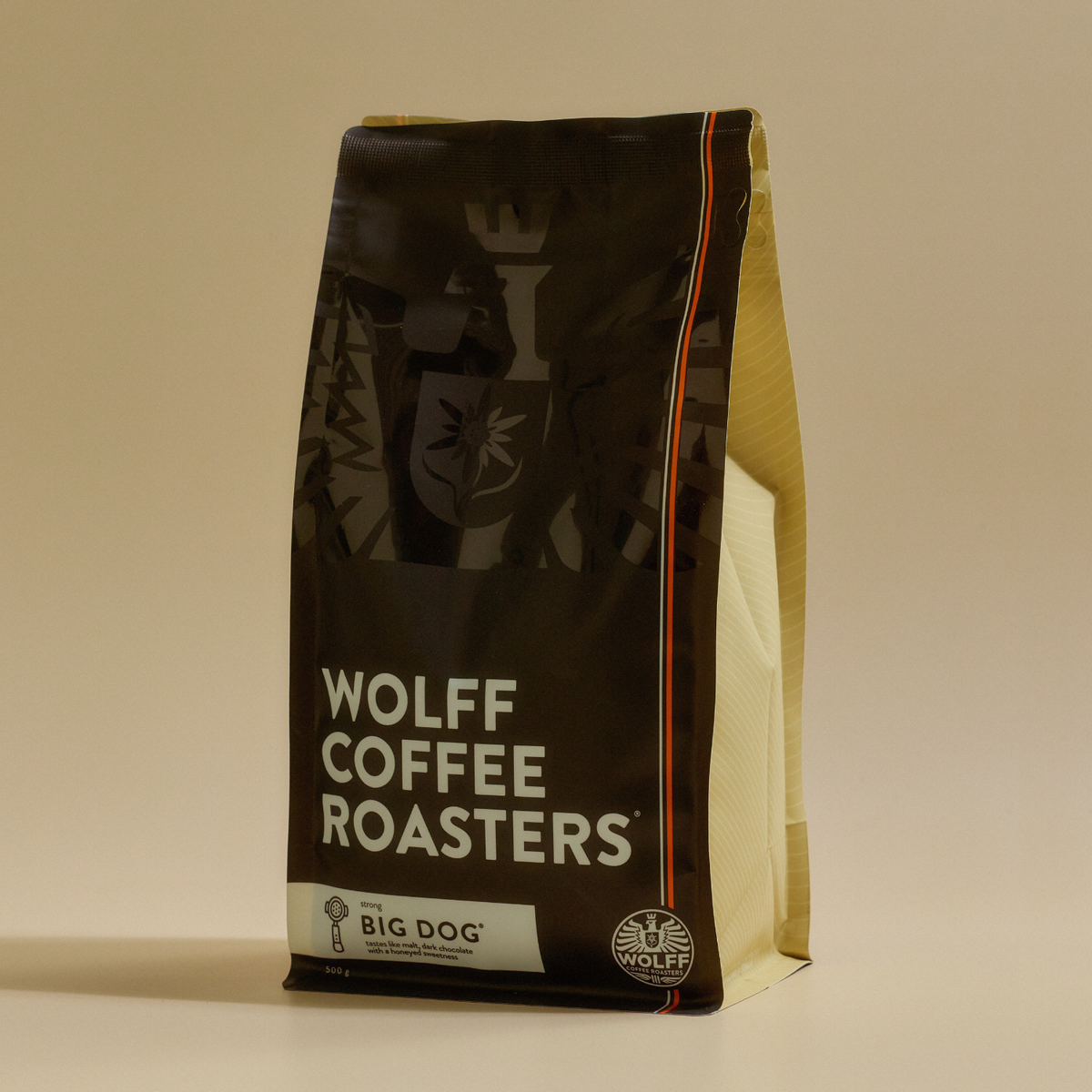
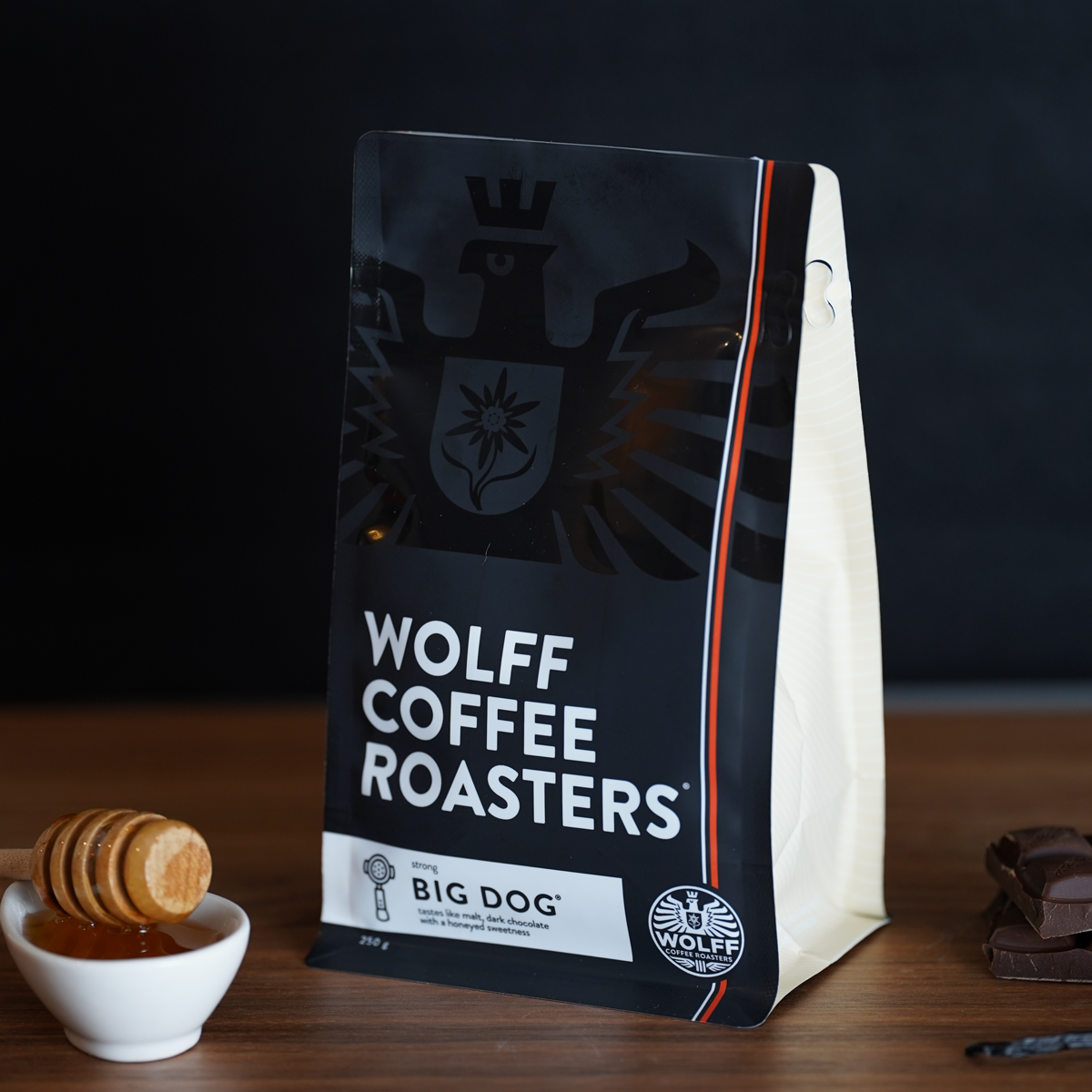
If you are reaching for Big Dog as your everyday workhorse, you will find it forgiving and consistent, which makes it a wonderful blend to practise on. It is built for reliability and rewards a confident hand.
For anyone brewing Zero Caffeine or Low Caffeine, the same principles apply. Grind size matters just as much for decaf and low caf as it does for anything else. Do not let the lower caffeine content make you think the coffee needs less care. It deserves the same attention.
A Few Practical Tips Before You Brew
Always grind fresh. Pre ground coffee loses its character quickly and makes dialling in almost impossible because the surface area changes as it sits. If you can, grind just before brewing.
Keep your grinder clean. Old coffee residue affects flavour more than most people realise. A quick brush out every few days makes a noticeable difference.
Be patient with adjustments. Small changes make a bigger difference than you expect. One step at a time is the way to go.
Trust your taste. You do not need a certificate or special equipment to know if a cup of coffee tastes good. If it tastes better than yesterday, you are doing it right.
Dialling in your grinder is not about becoming a coffee expert. It is about having a conversation with your coffee and learning to understand what it is saying. Once you do, every cup becomes something worth looking forward to.
Leave a comment
This site is protected by hCaptcha and the hCaptcha Privacy Policy and Terms of Service apply.