



If you have ever scrolled through a coffee menu and wondered what separates flash brew from cold brew, you are not alone. Both involve coffee without heat. Both show up in bottles, glasses, and trendy café setups. But they taste completely different, they are made completely differently, and understanding which one suits you can genuinely change how much you enjoy your next cup. No expertise required. Let us break it down.
What Is Cold Brew and How Is It Made
Cold brew is exactly what it sounds like. You steep coarsely ground coffee in cold or room temperature water for a long period, usually somewhere between twelve and twenty four hours. No heat ever touches it. The result is a concentrate or ready to drink coffee that is smooth, low in acidity, and naturally sweet in flavour.
Because cold water extracts coffee slowly, it pulls out different compounds than hot water does. The sharp, bright notes that hot brewing brings out tend to stay quiet in cold brew. What you get instead is something rounder, heavier, and often described as chocolatey or mellow. It is easy drinking. It is forgiving. It is the kind of coffee that is very hard to dislike.
Cold brew is popular for good reason. It keeps well in the fridge for up to two weeks, it is naturally lower in perceived acidity, and it works brilliantly over ice without becoming watery because it is already cold when you drink it.
What Is Flash Brew and How Is It Different
Flash brew takes a completely different approach. Here, you brew coffee hot, which is what unlocks the full flavour potential of the bean, and then you brew it directly over ice. The rapid chilling locks the flavour in place the moment it leaves the brewer. No waiting overnight. No long steep. The whole process takes about the same time as making a regular cup of coffee.
Because flash brew uses heat during extraction, it captures the brightness, clarity, and complexity that cold brew tends to smooth over. Think fruit notes, floral aromas, and the kind of vivid flavour that makes a single origin coffee sing. Flash brew preserves all of that and delivers it cold.
If cold brew is a long, leisurely Sunday, flash brew is a sharp, focused morning. Both are wonderful. They just offer something different.
The Key Differences Worth Knowing
Flavour is the biggest one. Cold brew sits on the smooth, rich, low acid end of the scale. Flash brew is brighter, more expressive, and closer to what that coffee actually tastes like at its best. Neither is better. They suit different moods, different coffees, and different moments.
Time is another major difference. Cold brew needs patience. You are looking at half a day or more before it is ready. Flash brew is ready in minutes. If you want cold coffee now, flash brew is the answer.
Caffeine also behaves differently between the two. Cold brew concentrate can be quite high in caffeine because of the long steep time and the coffee to water ratio involved. Flash brew typically delivers a caffeine level closer to a standard hot brew. If caffeine sensitivity is something you think about, this is worth keeping in mind.
Finally, the coffee you choose matters more with flash brew. Because flash brew is transparent, it will show you everything a coffee has to offer, including any rough edges. Cold brew is more forgiving and tends to flatter a wider range of coffees.
Which Method Suits Which Coffee
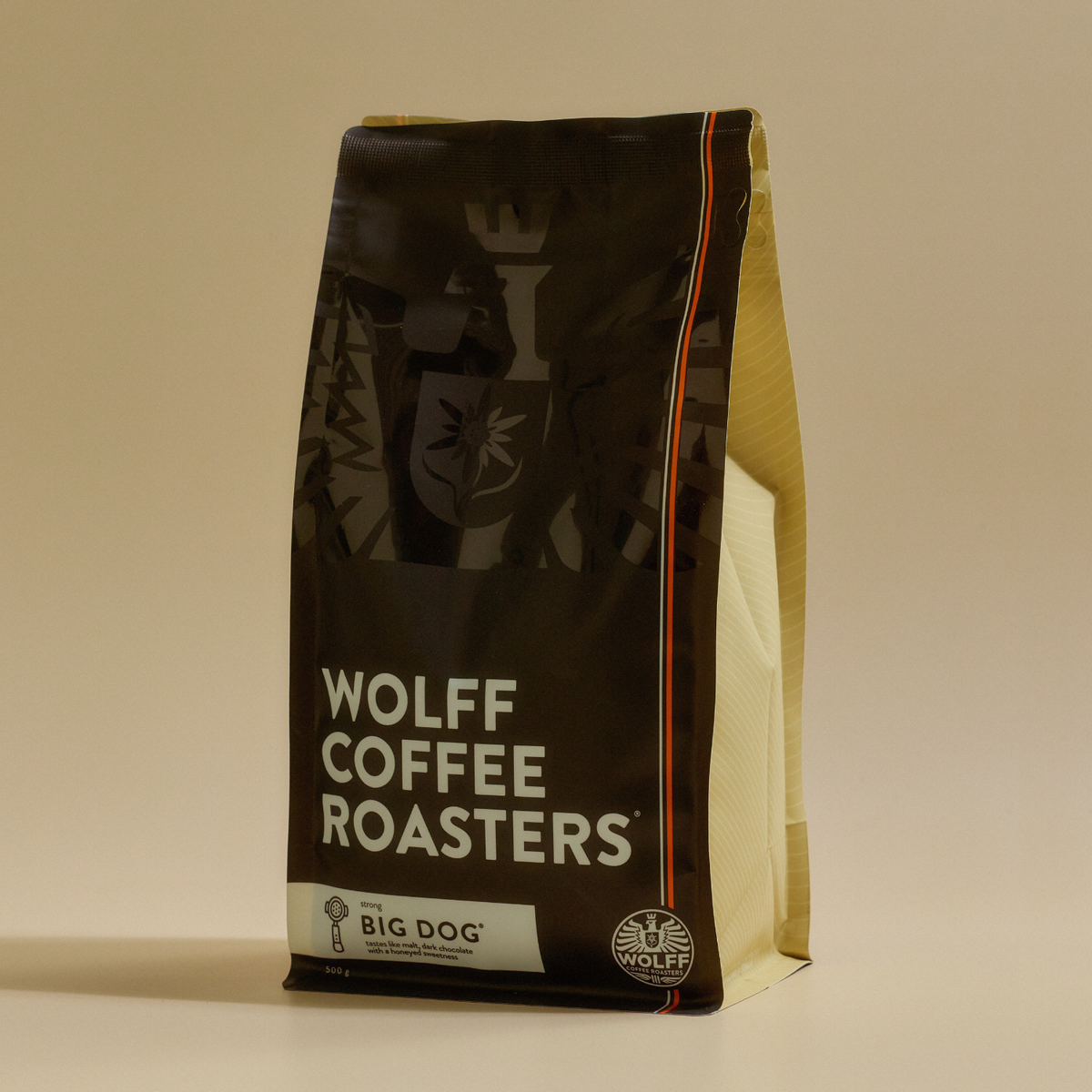
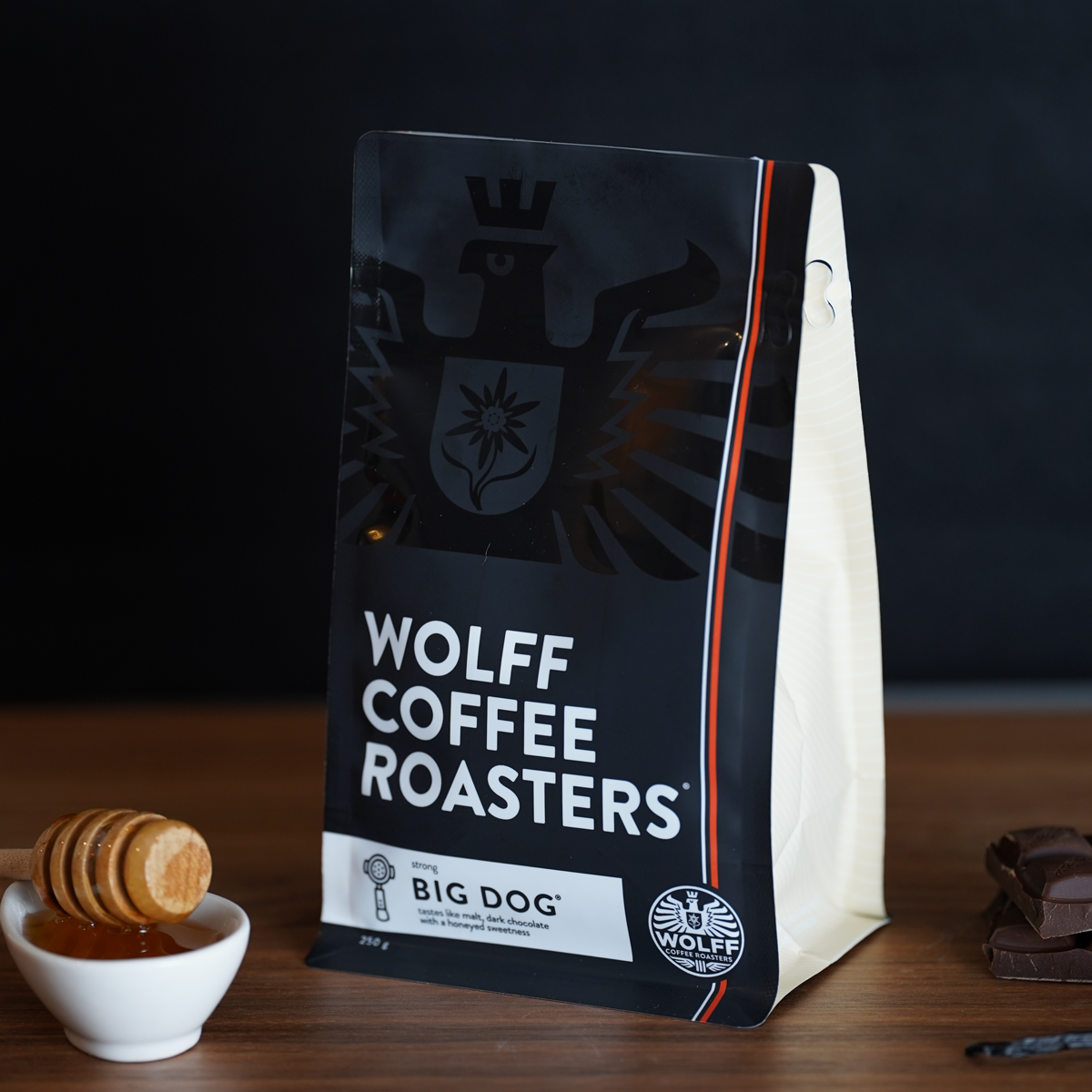
For cold brew, you want something that rewards richness and body. A coffee with chocolate, caramel, or nutty notes will translate beautifully through an overnight cold steep. Big Dog is a natural fit here. It is reliable, full flavoured, and built for exactly this kind of everyday enjoyment. Lil Red also works well if you want something a little lighter and easier to drink through the afternoon.
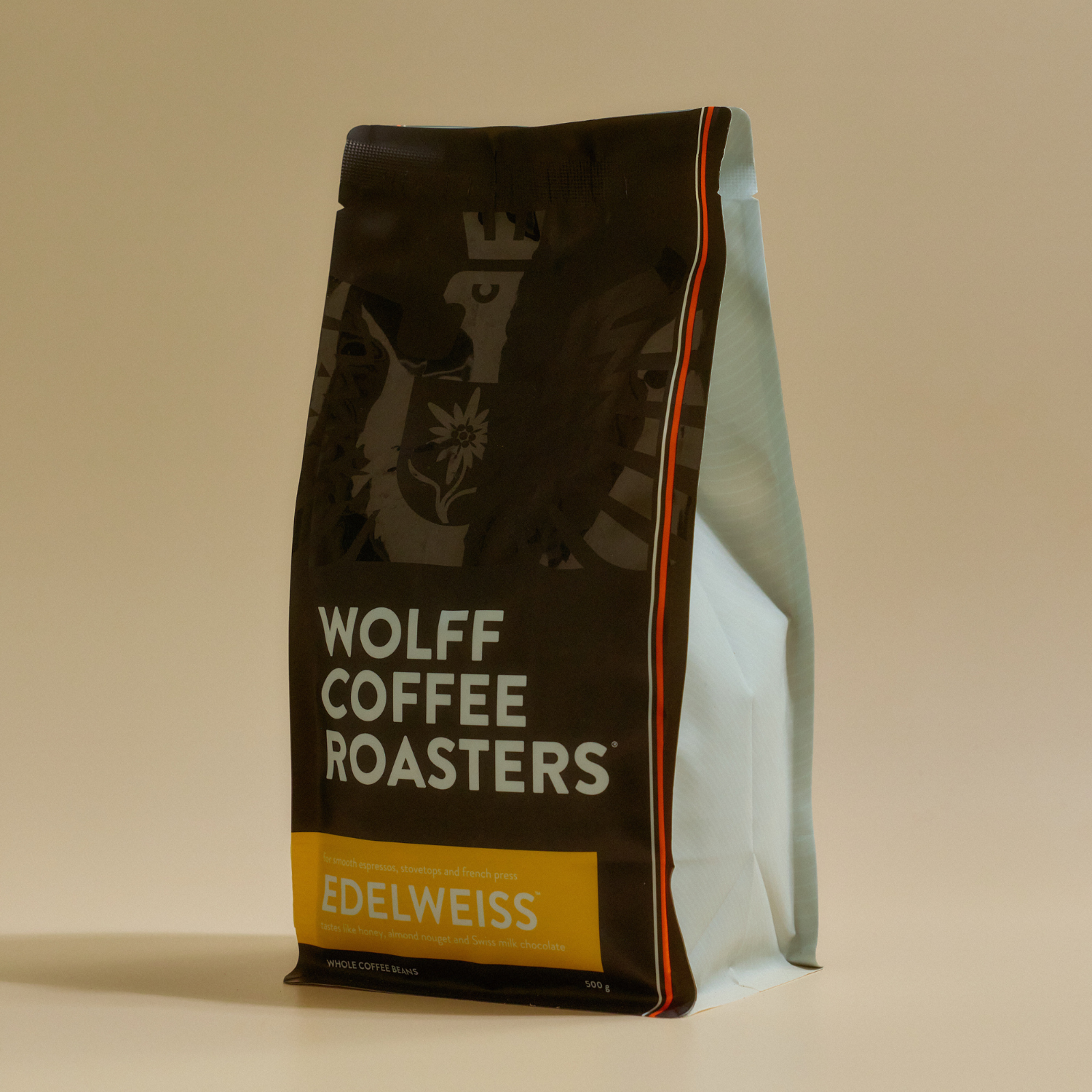
For flash brew, reach for something with a little more character. A coffee that has some brightness or fruit to it will genuinely shine when brewed hot and chilled fast. Edelweiss is worth exploring here. It has the kind of layered flavour that flash brew is designed to celebrate. Brew it over ice and you will taste the difference immediately.
If you are watching your caffeine intake and want to explore these methods without the buzz, Zero Caffeine and Low Caffeine work well with both approaches. You get the flavour of the method without the caffeine conversation afterwards.
A Few Practical Tips Before You Start
For cold brew, use a coarser grind than you would for hot coffee. Finer grinds can over extract during the long steep and make things bitter. A ratio of one part coffee to eight parts water is a good starting point. Steep in the fridge overnight, strain through a fine filter or cloth, and you are done.
For flash brew, prepare your ice before you start. You want to brew directly onto it, so the chilling happens instantly. Use around half the water you would normally use, because the melting ice makes up the rest. Brew your coffee as normal using a pour over or drip method and let it fall straight onto the ice. Taste it immediately. That is flash brew at its best.
Why This Matters for Your Coffee at Home
Understanding the difference between flash brew and cold brew means you are no longer guessing at the menu or buying cold coffee you might not enjoy. You know what you are after. Smooth and mellow, cold brew is your move. Bright and vivid, flash brew is waiting. Both are genuinely easy to make at home, and both are worth trying.
Coffee does not need to be complicated. It just needs to taste good. Once you know what each method does, you can make a confident choice every single time.
Leave a comment
This site is protected by hCaptcha and the hCaptcha Privacy Policy and Terms of Service apply.