



Most home coffee is not bad because the person making it lacks talent. It is bad because 1 or 2 small things are off, and nobody ever told them which ones.
This guide fixes that. It covers the 5 things that decide how coffee tastes at home, in the order that matters. None of it needs a barista qualification. All of it works with the gear you already have.
1. Start with fresh coffee
Coffee is an agricultural product. Once roasted, it peaks within a few weeks and fades from there. Supermarket coffee often sits on the shelf for months before it reaches your kitchen, which is why it tastes flat no matter how carefully you brew it.
Fresh coffee has a roast date on the bag, not just a best before. Look for beans roasted within the last 2 to 4 weeks. If you buy directly from a roaster, you'll usually get coffee that was roasted within days.
This one change does more for your cup than any piece of equipment. A moderately priced brewer with fresh coffee will beat an expensive machine with stale coffee every time.
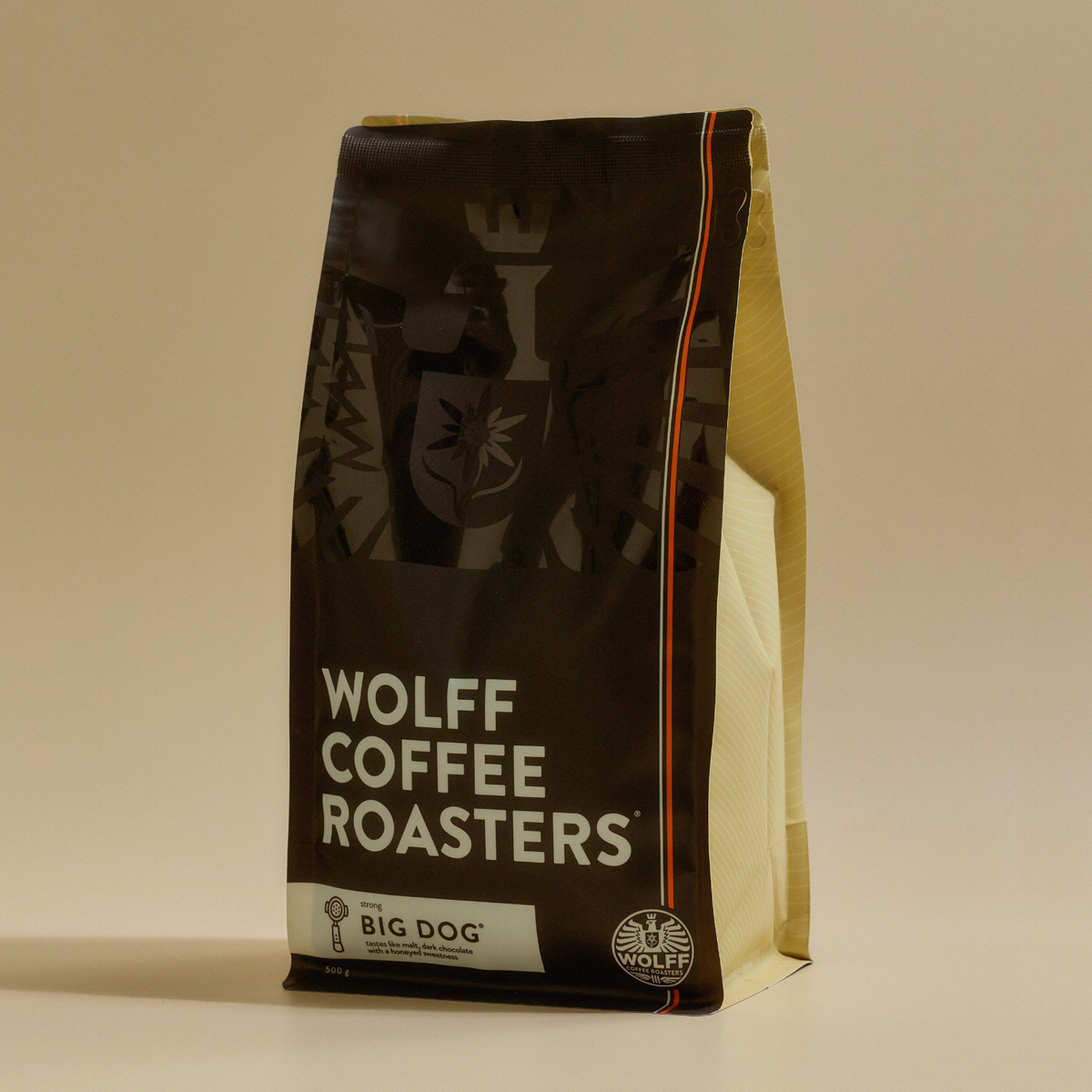
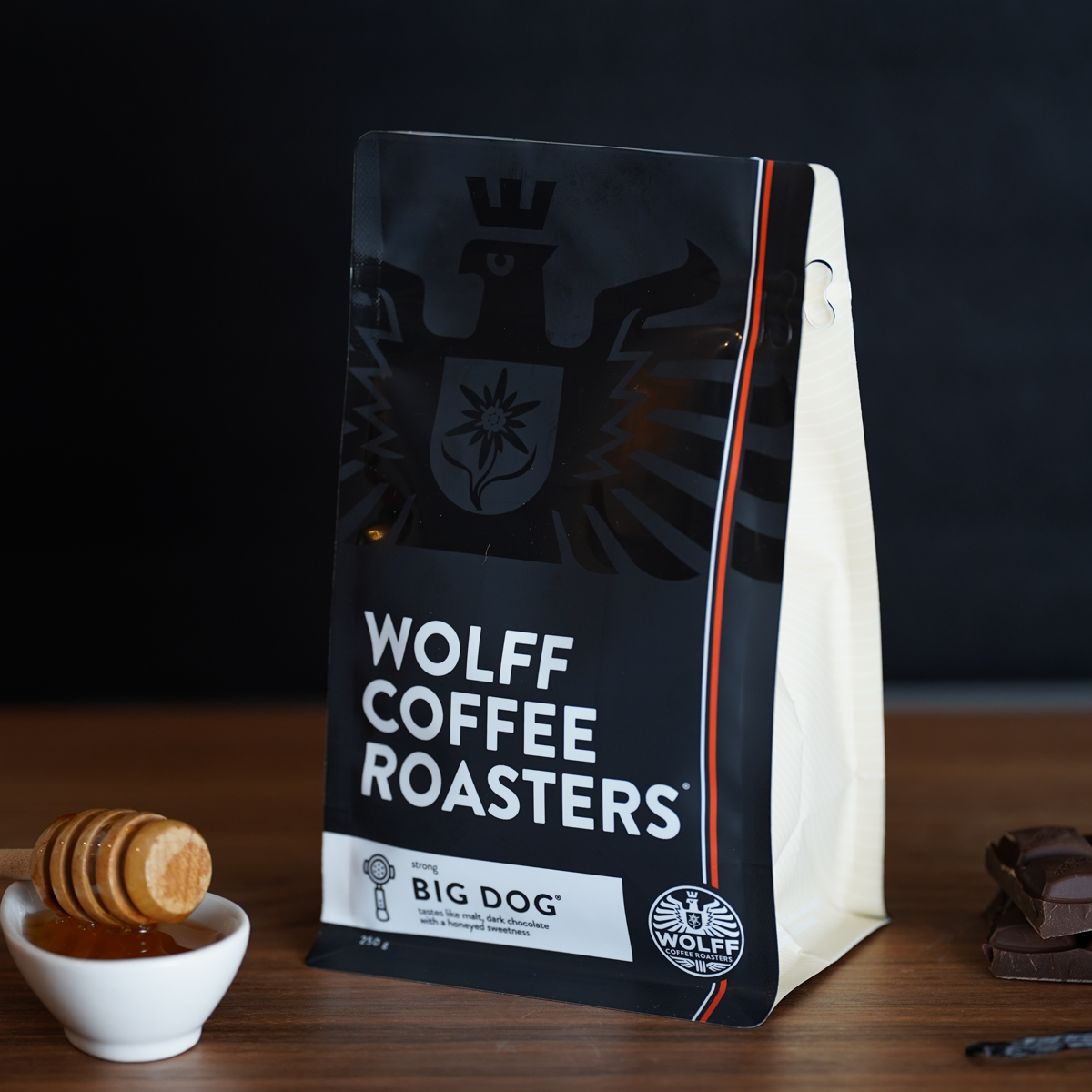
We roast in Hendra Monday to Friday and ship the same week. Big Dog is the sensible place to start if you want an everyday coffee that works across most brew methods.
2. Grind as close to brewing as you can
Ground coffee loses aroma within minutes and most of its character within a day. Whole beans hold on to both for weeks.
If you have a grinder, use it right before you brew. If you don't, buying pre ground is fine. Just buy smaller bags more often, and store them well. Nobody should feel bad about pre ground coffee. It's a convenience trade, not a moral failing.
Grind size matters as much as freshness. Too fine and the coffee tastes bitter and harsh. Too coarse and it tastes thin and sour. Each brew method has a range that works. Our grind size guide walks through them in plain terms.
What Grind Size Should You Use?
3. Use the right amount of coffee
This is the step most people skip, and it's the one that produces the biggest jump in quality.
A good starting ratio is 1 part coffee to 16 parts water by weight. For a standard mug that's about 15 g of coffee to 250 g of water. A set of kitchen scales makes this easy. A tablespoon is roughly 6 g of ground coffee if you don't have scales, so 2 heaped tablespoons per mug gets you close.
If your coffee tastes weak, you're probably using too little. If it tastes heavy and bitter, you may be using too much or grinding too fine. The ratio guide has recipes for plunger, pour over, stovetop and espresso.
Coffee to Water Ratio Made Simple
4. Fix your water
Coffee is 98% water. If your tap water tastes off, your coffee will too.
Two things to check. First, temperature. Water just off the boil, around 92 to 96°C, extracts well for most methods. Water that's been sitting in the kettle for 5 minutes is too cool and will make coffee taste sour and flat. Boiling water poured straight onto very finely ground coffee can push things toward bitterness.
Second, quality. Brisbane tap water is fine for coffee. If yours has a strong chlorine smell or a heavy mineral taste, a basic filter jug helps.
5. Learn what the flavours are telling you
Once the basics are in place, your taste buds become the diagnostic tool.
Bitter, harsh or drying means you've pulled too much out of the coffee. Grind coarser, use slightly less coffee, or shorten the brew time.
Sour, thin or sharp means you haven't pulled enough out. Grind finer, use slightly more coffee, or check your water is hot enough.
Weak or watery usually means too little coffee for the amount of water. Go back to the ratio.
Flat, dull or papery, no matter what you change, usually means stale coffee. Check the roast date.
We've written a full troubleshooting piece for each of these.
Why Does My Coffee Taste Bitter? Why Does My Coffee Taste Sour?
Where to go from here
You don't need to do all 5 at once. Start with fresh coffee and the right ratio. Those 2 changes alone will make your coffee noticeably better this week. Add grind and water as you go.
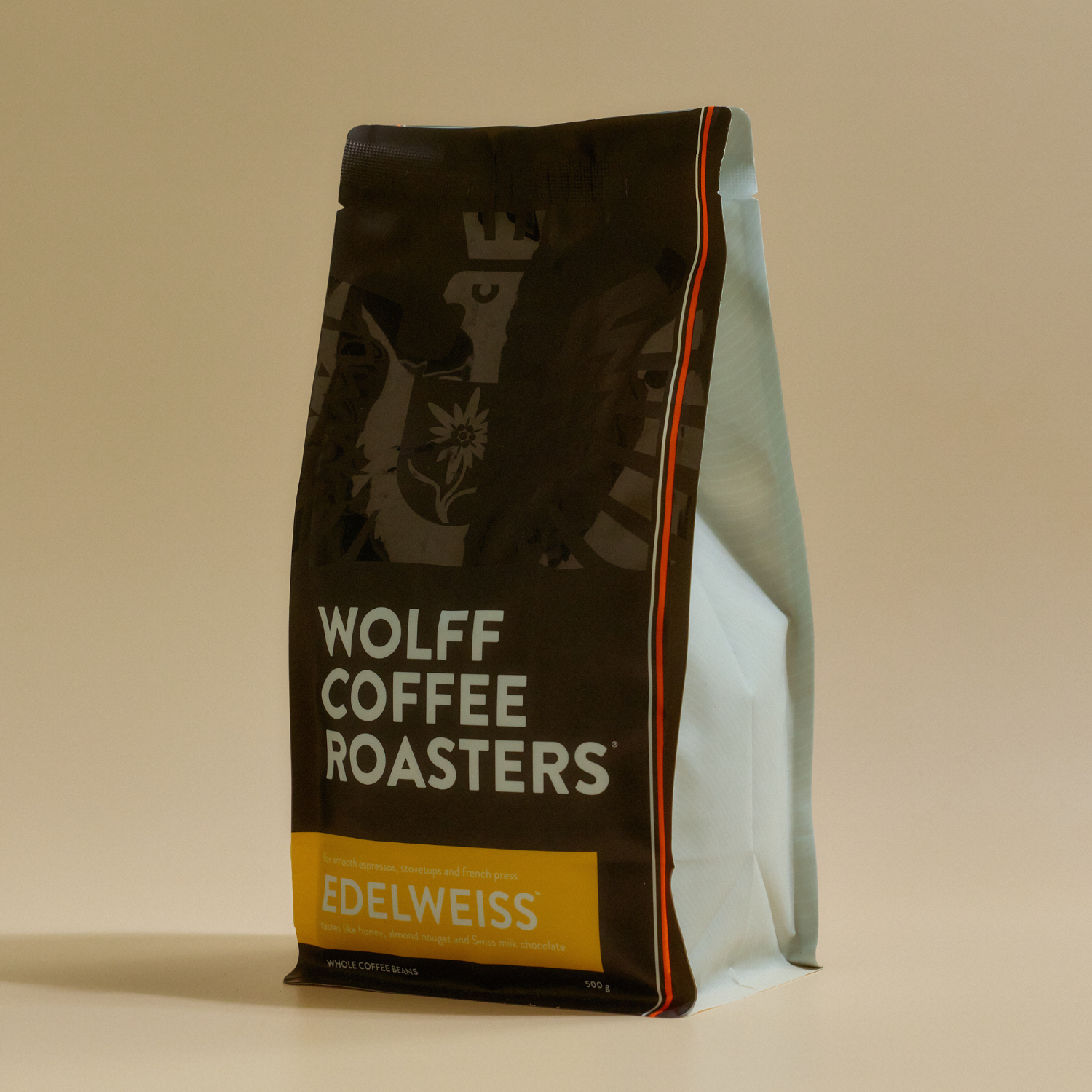
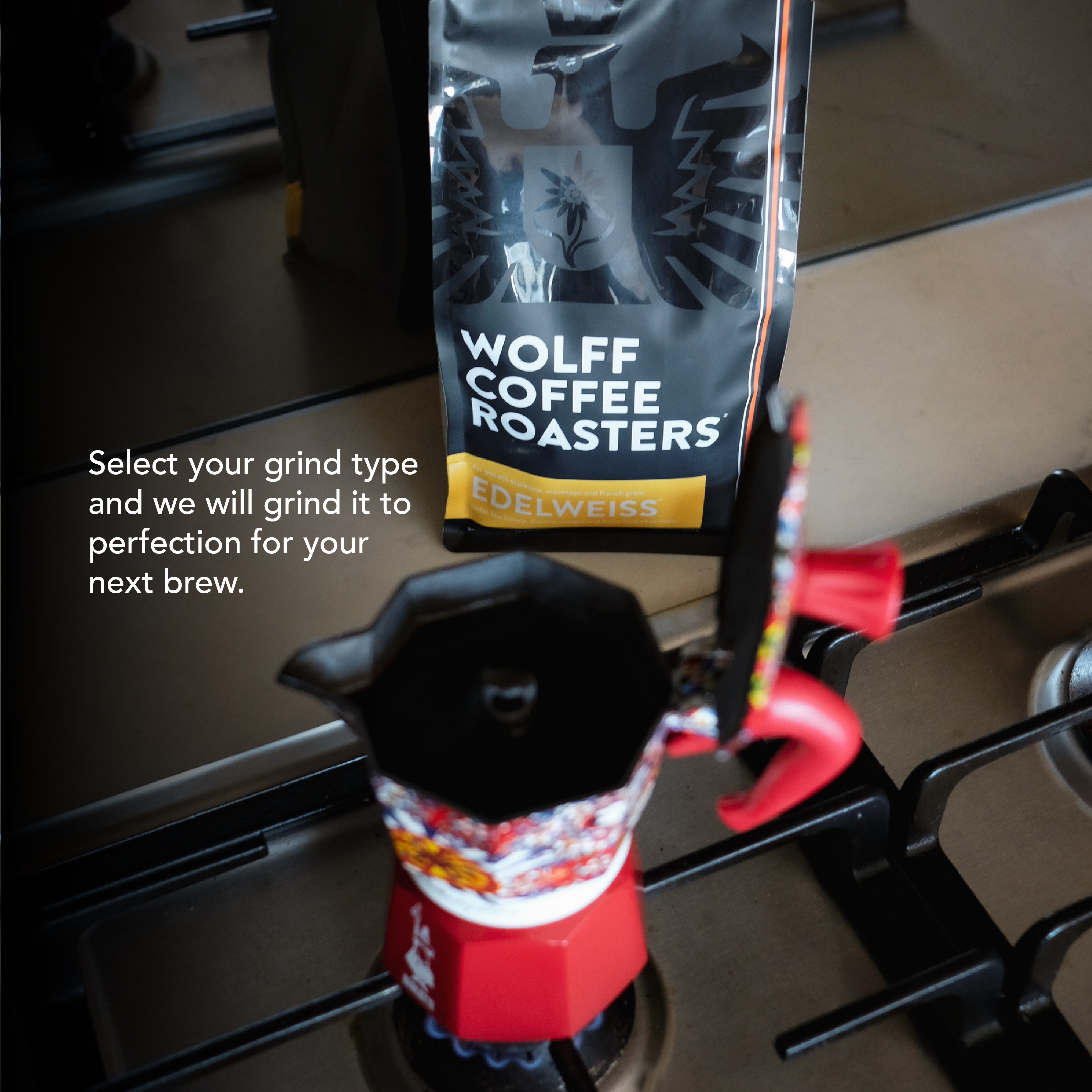
And if you want a shortcut on the beans: Big Dog for something balanced and forgiving, Lil Red if you like a brighter, lighter cup, DRK if you want depth and body, Edelweiss if you're brewing filter and want clarity. All roasted this week, all built to work at home.
What's the one thing about your home coffee that's been bugging you?
Leave a comment
This site is protected by hCaptcha and the hCaptcha Privacy Policy and Terms of Service apply.