




Ever stood behind someone at the cafe counter rattling off their order with total confidence? Oat flat white, almond latte, coconut cappuccino. If you've ever wondered whether you're missing out, here's the honest answer: maybe a little. Plant milks have come a long way, and the best ones genuinely change what ends up in your cup.
This isn't a guide for baristas. It's for anyone who wants to make better coffee choices at the cafe or at home, without needing a food science degree to do it.
Why your milk choice actually matters
Milk isn't just something you splash into coffee. It's part of the flavour. The fat, the natural sweetness, and how it behaves under heat all change how your cup tastes. Dairy has always done this job well, and in 2026, the best plant milks are right up there with it. Each one brings something different.
The trick is knowing what you want from your coffee, then picking the milk that gets you there.
Oat milk: the easy crowd-pleaser
Oat milk is the most popular plant milk in Australian cafes, and there's a good reason for that. It steams beautifully, makes a creamy foam that holds its shape, and has a mild, slightly sweet flavour that doesn't fight with the coffee. It just lets the roast do its thing.
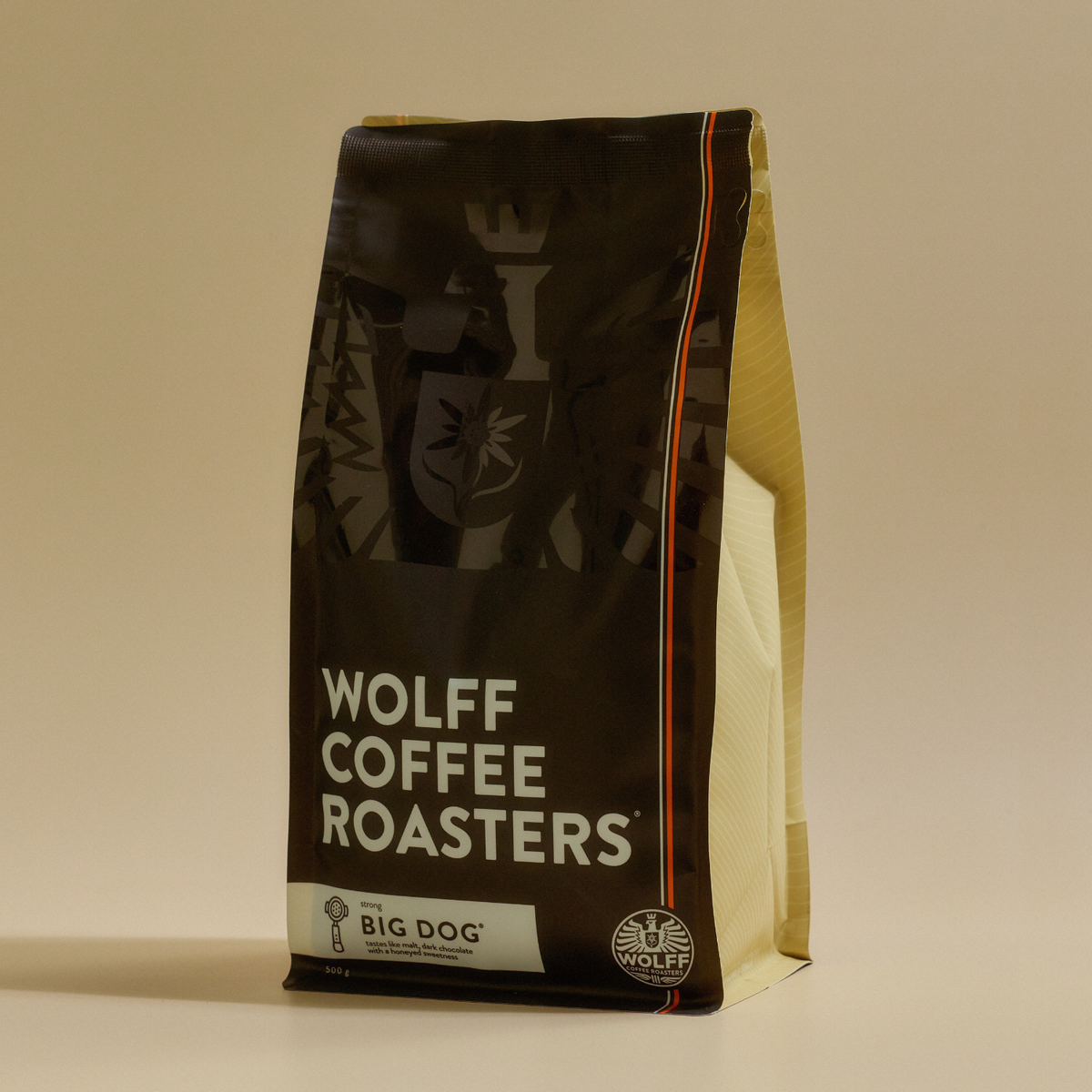
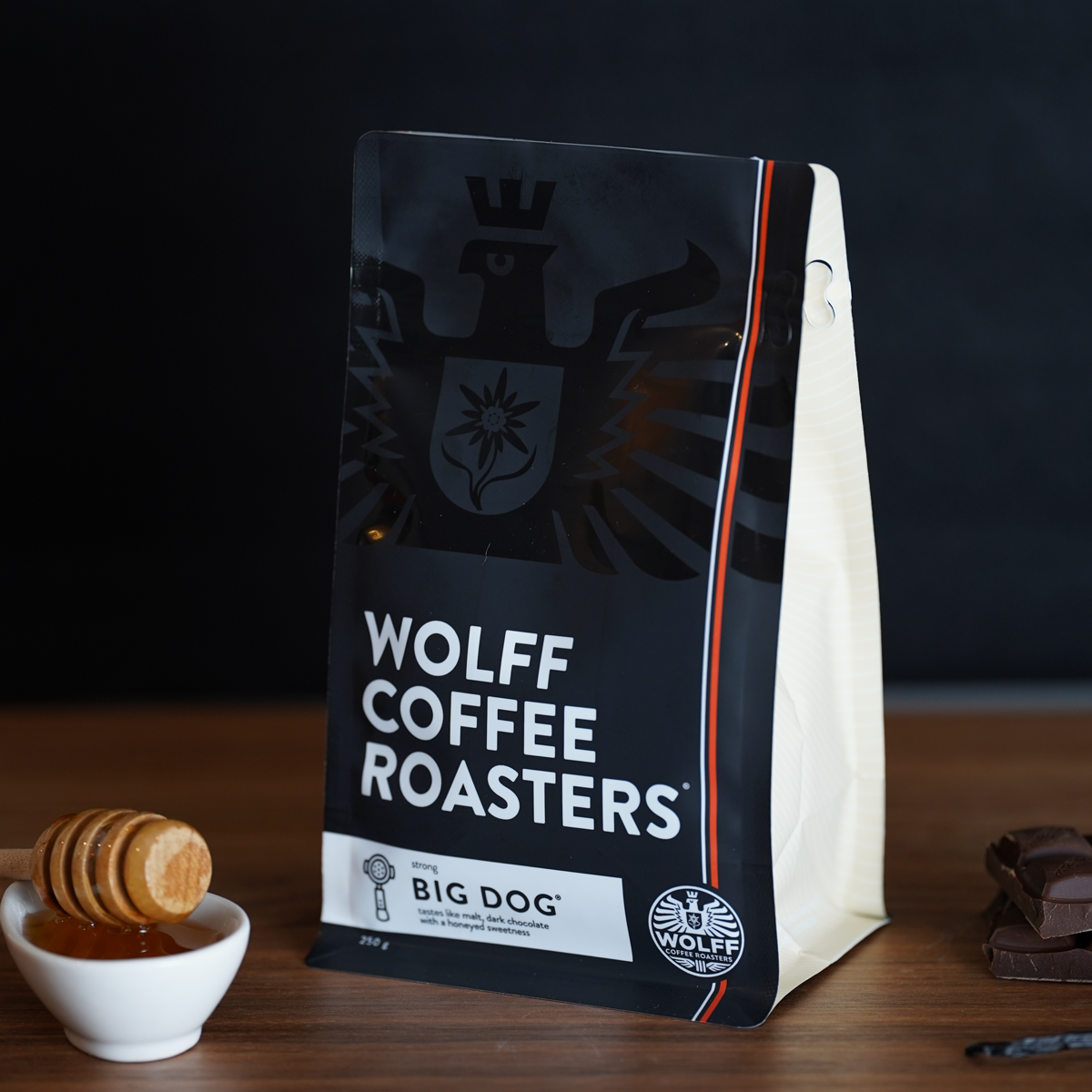
If you're drinking a well-crafted blend like Wolff's Big Dog or Lil Red, oat milk is a genuinely great match. It softens any brightness without muddying the flavour, and the natural sweetness means you'll often skip the sugar entirely.
One thing worth knowing: oat milk varies a lot between brands. A barista version will steam and pour very differently to the standard supermarket carton. If your home oat lattes never quite hit the mark, that's probably the first thing to swap.
Almond milk: the lighter option
Almond milk is thinner than oat and has a more neutral flavour. It doesn't foam as richly, so the texture in your cup is flatter. Some people love that. Others find it a touch watery.
Where almond really shines is in cold coffee. An iced almond latte is one of the most refreshing drinks you can make at home. The lightness lets the coffee flavour come through clearly, with a gentle nuttiness that works really well with medium roasts.
If you're making cold brew at home with something like Wolff's Zero Caffeine or Low Caffeine, almond milk over ice is well worth a go.
Macadamia milk: the quiet achiever
Macadamia milk is the dark horse of this group. It has a subtle butteriness that feels indulgent without being heavy. The fat content gives it a smooth, rounded texture, and the gentle sweetness pairs beautifully with more refined coffees.
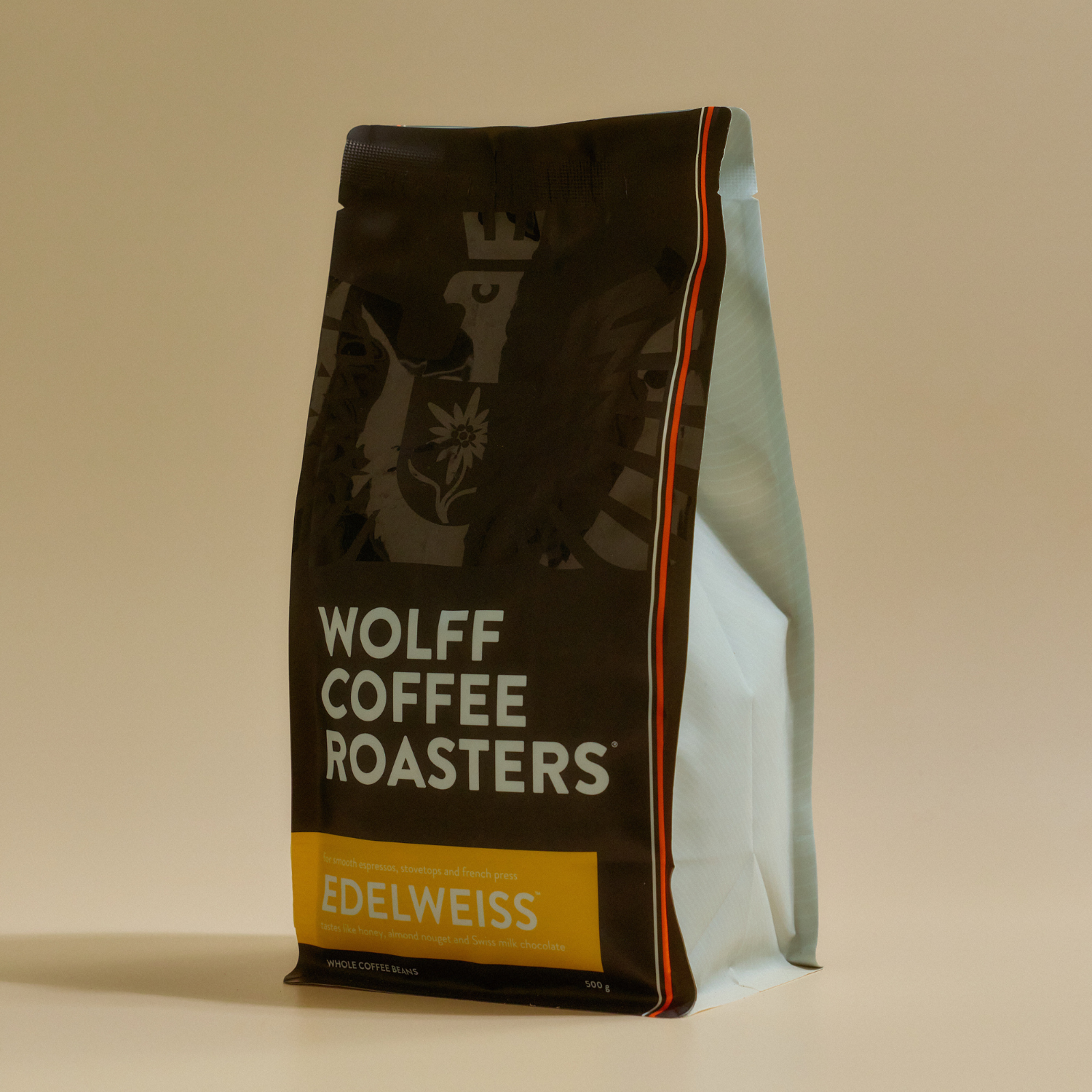
If you're drawn to Edelweiss, with its elegance and layered flavour, macadamia milk is worth tracking down. It adds texture without getting in the way.
It's still less common than oat or almond, but specialty grocers and bigger supermarkets are starting to carry barista versions. If you spot one, grab it.
Coconut milk: the bold one
Coconut milk has the biggest personality of the four. It's warm, tropical, and you'll definitely taste it. Whether that's a good thing depends on what you're after.
In espresso, coconut milk works best when the coffee is bold enough to stand up to it. A lighter roast can get a bit lost. But pair it with something darker and richer like Wolff's DRK, and the combination has real depth and warmth.
It's also fantastic in cold brew and coffee smoothies. If you like experimenting at home, coconut opens up some interesting territory.
A few practical tips
Look for "barista" on the label. Most plant milks come in a standard version and a barista version. The barista one has more fat or protein, which helps it steam and foam properly. If you're using a steam wand or milk frother at home, this matters.
Don't overheat it. Plant milks are more sensitive to high heat than dairy. Steam them too hot and they'll separate or taste scorched. Around 65°C is the sweet spot for most of them.
Fresh coffee makes everything better. No milk, no matter how good, can rescue stale beans. But fresh coffee is forgiving of imperfect milk technique, so start with the beans and the rest gets easier.
Your cup, your call
There's no wrong answer here. Oat if you want creamy and easy. Almond if you prefer light and cool. Macadamia if you're after texture and subtlety. Coconut if you want warmth and character.
The whole point of understanding your milk options is having one more way to shape your coffee to suit exactly what you're in the mood for. Not rules. Just better choices.
Wolff coffees are roasted to work beautifully with all of these milks. If you're curious about which blend suits your taste, the range is a great place to start exploring.
Leave a comment
This site is protected by hCaptcha and the hCaptcha Privacy Policy and Terms of Service apply.